 By How to Live in JAPAN 編集部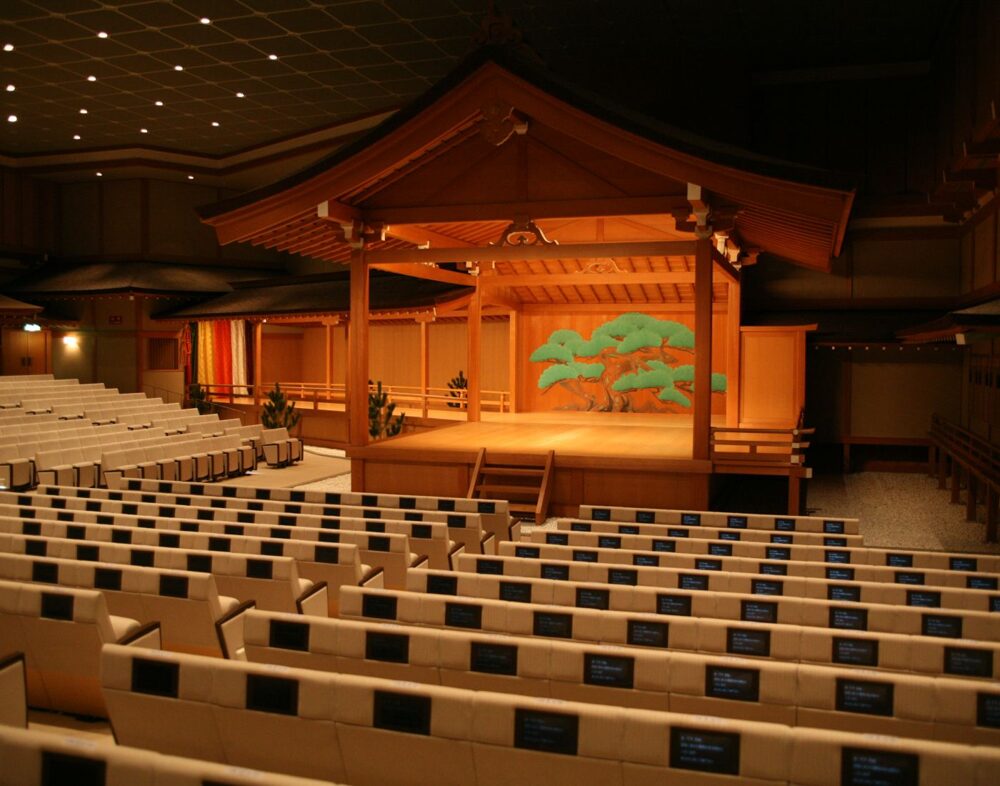
To all foreign friends staying mid to long-term in Japan: Have you settled into life in Japan? Since you’re here for a few months or even years, why not go beyond the usual sightseeing and dive into some authentic cultural experiences? Traditional performing arts like Kabuki, Noh, and Jōruri (Bunraku puppet theater) are profound expressions of Japanese heritage, each with centuries of history and unique beauty. You might be thinking, “Sounds interesting, but isn’t it hard to understand or book as a foreigner?” The good news is that nowadays there are plenty of English-friendly services – from subtitles and audio guides to online reservations – that make it easy for international visitors to enjoy these performances. Here, we introduce three top venues in Tokyo (and nearby) where you can experience these traditional arts. Each spot meets our criteria of being welcoming to non-Japanese guests (with English guidance, reservation support, etc.), and offers an unforgettable dive into Japan’s rich cultural tapestry. Read on, and get ready to make your Japan stay even more special through a full-fledged cultural adventure!
1. Kabuki-za Theatre – Classic Kabuki in the Heart of Ginza
Exterior of the Kabuki-za Theatre at night, showcasing its traditional architectural style illuminated in the modern Ginza district.
Name: Kabuki-za Theatre (歌舞伎座), the world’s only theater devoted exclusively to Kabuki.
Cultural Experience: Kabuki (Classical Japanese dance-drama)
Location & Access: 4-12-15 Ginza, Chuo City, Tokyo. Direct indoor access from Higashi-Ginza Station (Exit 3) on the Tokyo Metro Hibiya Line / Toei Asakusa Line. About 5 minutes’ walk from Ginza Station (Tokyo Metro Ginza/Marunouchi/Hibiya Lines). From JR Yurakucho Station, approx. 15 min on foot or a 5 min taxi ride. The theater’s central location in Ginza makes it easily accessible, and you can even combine your visit with shopping or dining in the area.
Official Website: Kabuki Official Site – Kabuki-za Theatre (multilingual)
Hours / Show Times: Kabuki-za runs on a monthly program system, usually with two shows daily (a matinee and an evening show) when performances are scheduled. Generally, the matinee starts around 11:00 AM and the evening show around 4:30 PM (depending on the play). Each show typically consists of multiple acts and lasts about 3-4 hours in total, including intermissions. There are usually one or two non-performance days per month for theater maintenance. The theater opens around 10:00 AM for daytime ticket sales and entry. If you’re not up for a full program, Kabuki-za offers “Hitomaku-mi” single-act performances, which allow you to watch just one act (30 min to 1 hour) – a great option if you’re short on time.
Prices: Ticket prices vary by seat class. For a full performance (all acts), expect to pay from about ¥4,000 (upper balcony) up to ¥18,000 (prime first-floor seats). Single-act tickets are much more affordable at around ¥1,000–¥2,000, perfect for a quick taste of Kabuki. These single-act seats are on the 4th floor and sold on the day only (cash only). English subtitle headset rentals are available – about ¥1,500 for a full show, or ¥1,000 for single-act usekabukiweb.net – which provide translations of dialogue and explanations. (Note: an English captioning device with subtitles can be rented instead of an audio guidekabukiweb.net.) Don’t worry if you don’t understand Japanese; with these support tools, you can follow the story and enjoy the performance.
Reservation: You can reserve tickets online via the official Shochiku Kabuki website or other ticketing sites. The Kabuki-za’s online system (Shochiku Multilingual Online Ticket) is available in English. Phone reservations are also possible at +81-(0)3-6745-0888 (10:00–17:00 JST), with English-speaking operators ready to assist. Tickets typically go on sale about 1-2 months in advance. If you prefer buying in person, the Kabuki-za box office opens daily at 10:00 AM for same-day and advance tickets. Same-day single-act tickets are sold on a first-come basis from a dedicated window on the ground floor. Popular shows can sell out quickly, so advance booking is recommended, but spontaneous visits are still possible especially on weekdays.
Tips & Etiquette: Good news – no strict dress code. Feel free to wear comfortable clothes, though something neat and smart-casual is advisable out of respect (avoid flip-flops, tank tops, or hats that might block someone’s view). Many locals dress nicely (some even wear kimono), but as long as you’re decently presentable, you’ll be fine. Photography and recording are strictly prohibited during performances, so be sure to turn off your camera and smartphone. Also, keep phones completely silenced (not just on vibrate) to avoid disrupting the show. It’s best to arrive at least 15-30 minutes early. Once the performance starts, latecomers may have to wait until a break to be seated, so don’t miss the opening scene! Inside the theater, maintain a quiet atmosphere – Kabuki may have lively moments, but audience chatter is a no-no. You can applaud at appropriate times (like after a spectacular scene or a dramatic pose called mie). Feel free to enjoy snacks or bento meals during intermission; Kabuki-za has vendors selling delicious bento boxes and refreshments. However, no eating or drinking in your seat during the performance. If you’re seeing multiple acts, take advantage of breaks to stretch, use restrooms, or visit the theater’s shop for Kabuki souvenirs. Remember, even if you can’t catch every plot detail, Kabuki is a visual and sensory feast – from the elaborate costumes and makeup to the dynamic stage sets and live music. Using the English audio or subtitle guides, you’ll find it much easier to appreciate the story. Relax and immerse yourself; experiencing Kabuki at Kabuki-za is like time-traveling to old Japan with the comfort of modern amenities, truly a must-do cultural experience in Tokyo.
2. National Noh Theatre – Enigmatic Noh and Kyogen with English Subtitles
Interior of the National Noh Theatre – a classical Noh stage made of 400-year-old cypress wood with the iconic pine tree backdrop. Notice the individual monitor screens on the back of each seat for subtitles, allowing viewers to follow along in English or Japanese.
Name: National Noh Theatre (国立能楽堂, Kokuritsu Nōgakudō) – a dedicated theater for Noh and Kyogen performances, operated by the Japan Arts Council. Opened in 1983, it features a 627-seat auditorium and a traditional Noh stage.
Cultural Experience: Noh (a classical musical drama) and Kyogen (classical comic theater) – together known as Nogaku. You can usually experience both in one program: a solemn Noh play and a light-hearted Kyogen piece as contrast.
Location & Access: 4-18-1 Sendagaya, Shibuya City, Tokyo. Extremely convenient: about 5 minutes on foot from Sendagaya Station (JR Chuo-Sobu Line) and 5 minutes from Kokuritsu-Kyogijo Station (Toei Oedo Line, Exit A4). It’s also a 7-minute walk from Kita-Sando Station (Fukutoshin Line). This puts it near areas like Harajuku and Shinjuku. If coming from Shinjuku Station, a taxi takes 10 minutes. Meiji Jingu Shrine and the new Olympic Stadium (National Stadium) are in the vicinity, so you could plan a cultural day around the area.
Official Website: Japan Arts Council – National Noh Theatre (English) / 国立能楽堂 公式ページ (Japanese)
Hours / Show Times: The theater’s lobby, exhibition area, and ticket office are generally open 10:00–18:00 daily (closed during New Year holidays and occasionally for maintenance). Performances are held year-round, but on a less frequent schedule than Kabuki. Typically, there are a few regular Noh/Kyogen performances per month. Evening shows on weekdays often start around 6:30 or 7:00 PM, while weekend or matinee shows might start around 1:00 or 2:00 PM. Each performance usually consists of one Kyogen play (about 20-30 minutes) and one Noh play (60-90 minutes, sometimes longer), with a short intermission. Because scheduling can vary, it’s best to check the official calendar for exact dates and times. Note: The theater occasionally hosts special programs like Noh for beginners with pre-show lectures, so keep an eye out for those if you’re new to Noh.
Prices: Ticket prices for Noh are relatively affordable. A standard program might cost around ¥5,000–¥6,000 for first-grade (front section) seats, ¥3,000–¥4,000 for second-grade (side/rear) seats, and there are often student discounts (¥1,500–¥2,500 range). Some events aimed at newcomers (with explanations or shorter performances) offer tickets as low as ¥1,500. All seats are reserved. You can pay by cash or credit card at the box office. Given the intimate size of the theater (every seat has a decent view), even the cheaper seats offer a good experience.
Reservation: Tickets can be purchased through the National Theatre Ticket Center. The easiest way is via their online booking (the English website provides links to the ticketing system). Alternatively, you can call their ticket hotline at 0570-07-9900 (or +81-3-3230-3000 from overseas) – operators speak both Japanese and English. Phone and online reservations usually start a month or more before the performance. On performance days, if seats are available, you can buy tickets directly at the Noh Theatre’s box office from 10:00 AM until showtime. Some performances do sell out (especially special productions or weekend shows), so advance purchase is advised. However, many regular Noh performances have tickets available at the door. There’s no membership required to buy tickets, but the online system may ask for a simple registration.
Tips & Etiquette: The National Noh Theatre is very foreigner-friendly, thanks to its in-seat subtitle system. Each seat is equipped with a little monitor on the back of the seat in front, and you can select English or Japanese subtitles (or turn it off). This means you can read translations of the lyrics/dialogue and brief explanations of the scenes in real time, which is immensely helpful for understanding the story and appreciating key moments. Don’t worry if you’re completely new to Noh; the subtitles will guide you through the plot and highlight important lines. Before the show or during intermission, you might also browse the free exhibition room, where masks, costumes, and props are displayed with explanations – a great way to deepen your appreciation. As for theater etiquette: Noh is performed in a quiet, solemn atmosphere, so audiences are expected to be very quiet and attentive. It’s even more restrained than Kabuki; reactions are usually limited to gentle applause at the end of sections or plays. Definitely silence your phone (turn it off ideally) and avoid whispering – even a little chatter can break the spell for everyone. Absolutely no photography or video/audio recording during the performance, as with any traditional theater. In fact, you’ll likely be so absorbed in the subtle movements and haunting music that you won’t think about your camera. Arrive on time; Noh plays often do not admit latecomers until a suitable break (which might not be until the Kyogen or intermission). If you do arrive late, follow staff instructions – you might have to watch on a lobby monitor until you can be seated. Regarding dress code: there isn’t a formal requirement. Business casual or smart casual is common. Since Noh was historically attended by the elite, some people dress up a bit, but as a foreign guest, respectful and tidy attire is enough. The theater is indoors and heated/air-conditioned, so dress for comfort (you’ll be sitting for a while). Lastly, approach Noh with an open mind – it’s quite different from Western theater, with slower pacing and poetic language. But even if you don’t grasp every nuance, allow yourself to be mesmerized by the masks, the elegant dance-like movements, and the ethereal music. Using the English subtitles will ensure you catch the outline of the story, making the experience much more rewarding. Experiencing Noh and Kyogen at this national theatre will give you a genuine taste of an art form over 600 years old – truly a special opportunity while in Tokyo.
3. National Theatre (Bunraku Performances) – Encounter Bunraku Puppet Theatre in Tokyo
A Bunraku puppet play in action. Dressed in black, the three puppeteers coordinate seamlessly to bring the doll to life, while the beautifully costumed puppet performs on stage. To the side (not pictured here) sit the tayū (narrator) and shamisen player who together narrate the story in rhythmic prose and music.
Name: National Theatre of Japan (国立劇場) – specifically focusing on its Bunraku (Ningyo Jōruri) puppet performances. The National Theatre normally hosts various traditional arts including Kabuki and Bunraku. (Note: The main building in Tokyo is under reconstruction from late 2023 until 2029, so Bunraku performances are currently held at alternative venues in Tokyo.)
Cultural Experience: Ningyō Jōruri Bunraku – traditional Japanese puppet theater, a UNESCO Intangible Cultural Heritage. Bunraku features three elements: puppeteers manipulating elaborate puppets, a narrator (tayū) chanting the story, and a shamisen (three-stringed lute) player providing musical accompaniment. Together they create a powerful dramatic performance unlike anything else.
Location & Access: (National Theatre main venue: 4-1 Hayabusa-cho, Chiyoda City, Tokyo.) The main theater is near the Imperial Palace, a 5-minute walk from Hanzomon Station (Exit 1 or 6, Hanzomon Line) and about 8 minutes from Nagatacho Station (Exit 4 or 5, Yurakucho/Hanzomon/Namboku Lines). However, during the reconstruction period, Tokyo Bunraku performances are held at other theaters. Common substitute venues include: Theatre 1010 in Adachi (Kita-Senju), Tokyo Bunka Kaikan (Ueno), New National Theatre “The Pit” (Shinjuku/ Hatsudai), etc. Always double-check the venue when booking a Bunraku show in Tokyo. The National Theatre’s Okinawa branch and Osaka’s National Bunraku Theatre also host Bunraku, but if you’re based in Tokyo, look for the shows labeled “Tokyo Bunraku” which use local venues.
Official Website: Japan Arts Council – National Theatre (English) / 国立劇場(日本芸術文化振興会) (Japanese). The site includes info on Bunraku schedules and how to buy tickets.
Hours / Show Times: The National Theatre’s Tokyo building is closed now, but Bunraku performances in Tokyo are typically held a few times a year (often in January, spring, and autumn seasons for several days each). Each run usually has daytime and evening shows. For example, a Bunraku run might have a matinee starting around 12:00 or 1:00 PM and an evening show starting around 4:00 or 6:00 PM, with each program lasting about 2.5 to 3 hours including intermission. Often, one program will include two Bunraku plays (one shorter, one longer). Specific show times vary, so always refer to the schedule on the official site or flyers. Because Bunraku runs are limited engagement (not year-round like Kabuki), try to plan ahead if you’re keen to catch one.
Prices: Bunraku is surprisingly affordable compared to Kabuki. For a full program, standard adult tickets are usually around ¥6,000–¥7,000 for the best seats, and ¥3,000–¥5,000 for second-tier seats. Some venues have even cheaper seats at around ¥2,000. Students and children often get discounts (sometimes as low as ¥1,500). Bunraku also has special “Bunraku for Beginners” shows or appreciation classes with tickets in the ¥1,500–¥3,000 range. As for language support: English audio guides (headsets) are offered at most Tokyo Bunraku performances. These provide commentary and translation, greatly enhancing understanding. The rental fee is typically around ¥800 (sometimes free for certain special programsntj.jac.go.jp). Moreover, English subtitles may be available via a mobile appntj.jac.go.jp – for instance, a recent “Discover BUNRAKU” event allowed audience members to view English captions on their smartphones for freentj.jac.go.jp. Check the program details; the National Theatre often indicates if English support is provided.
Reservation: Tickets for Bunraku in Tokyo can be bought through the National Theatre Ticket Centre or other ticket agencies. The Japan Arts Council’s official online ticket system (which covers Bunraku) is a convenient option – it’s available in English and allows credit card payment. Phone reservations are also available (Tel: 0570-07-9900 or +81-3-3230-3000 from overseas) with English assistance. Because Bunraku runs are not continuous, tickets usually go on sale a couple of months before the performance dates. It’s wise to book early, as there may be only a handful of performances in each run. However, if seats remain, you can purchase at the venue on the day as well. Some special workshops or beginner programs might even allow walk-ins. Always check the specific instructions on the promotion materials. If buying online via the National Theatre’s site, note that you might need to create a user account (free) to complete the purchase. Tickets may also be available via third-party platforms like Ticket Pia or Eplus (Japanese sites), and sometimes English-friendly platforms depending on the event.
Tips & Etiquette: Experiencing Bunraku is truly fascinating – even if you don’t understand Japanese, the combination of the puppets, narrative chanting, and music is captivating. To appreciate it fully, here are some tips: Utilize the English support – rent the audio guide and/or use the subtitle app if available. The audio guide will explain the plot and even some background or cultural points as the play goes on, which is immensely helpful for first-timers. Before the show, you might consider reading the story summary (many Bunraku plays are famous classics, and summaries can often be found on the English program or online). At the venue, you’ll receive or can purchase a pamphlet – often the back pages have an English synopsiskabukiweb.net. During the performance, you’ll see the puppeteers on stage manipulating the puppets. Interestingly, each puppet is operated by three puppeteers: the main puppeteer (unmasked) controls the head and right hand, while two assistants (hooded in black) control the left hand and the legs. Although the assistants are in plain sight, Bunraku convention asks the audience to “see past” the puppeteers, focusing on the puppet as if it’s alive. It’s a unique suspension of disbelief, and you’ll find yourself amazed by how expressive the puppets can be. The tayū (narrator) and shamisen player sit to the side of the stage. They will produce all the voices, dialogue, and music. It may sound a bit unfamiliar at first – the tayū’s chanting is a powerful, emotional narration that might include different voices for different characters, and the shamisen’s music underscores the mood. Together, they fill the role of “storyteller,” much like an opera singer combined with a live soundtrack. Etiquette-wise, similar rules as other theaters: no photos or recordings, keep quiet, and do not leave your seat during the play. Bunraku often has fewer audience reactions during the play – typically, applause comes at the end of scenes or acts, and of course at the end of the performance. If something particularly striking happens (a dramatic scene, a beautiful musical solo), applause is fine, but the audience generally watches attentively rather than cheering or calling out (which sometimes happens in Kabuki). Punctuality is important; if you arrive late, you might have to wait until a break to enter, and you don’t want to miss the opening scene that sets the story. Dress is casual – there’s no need for formal attire (unless you’re attending an opening night), but as always, neat and respectful clothing is appreciated. Finally, be prepared to be moved: Bunraku stories often involve intense drama – tragedies of love, loyalty, and fate – and even if you catch only some of the words, the emotion conveyed by the narrators and puppets can be surprisingly powerful. Many visitors come out of their first Bunraku experience deeply impressed. It’s a testament to the artistry of this 300-year-old puppet theater. Don’t hesitate to give Bunraku a try while you have the chance in Tokyo – it’s a rare and enriching experience that will deepen your understanding of Japanese culture.
Conclusion: Enrich Your Japan Stay with Traditional Performing Arts
Living in Japan for an extended period is the perfect opportunity to delve deeper into the culture. Experiencing Kabuki, Noh, or Bunraku first-hand will give you stories to tell and memories to treasure. Each art form offers something unique: the grand spectacle of Kabuki, the meditative beauty of Noh, the poignant storytelling of Bunraku. And as we’ve shown, language or booking hurdles can be overcome – theaters in Tokyo are increasingly equipped to welcome international guests with open arms (and English guides!). By taking advantage of subtitle services, audio guides, and English-friendly websites, you can fully enjoy these performances even without speaking Japanese.
Don’t worry if you can’t catch every detail; experiencing these arts is as much about the atmosphere and visuals as it is about the story. Sitting in a historic theater, watching masters of their craft perform art forms honed over centuries, is a thrill in itself. You’ll gain insight into Japanese history and aesthetics, from the meanings behind a Kabuki actor’s pose to the craftsmanship of a Noh mask or a Bunraku puppet.
So, step out of your comfort zone and dive into Japan’s traditional performing arts! Whether you dress up for a night at Kabuki-za, enjoy an afternoon of Noh’s elegance, or find yourself moved by the puppets of Bunraku, these experiences will undoubtedly deepen your connection with Japan. Not only will you be entertained, but you’ll also develop a greater appreciation for the cultural heritage that makes Japan so special. Make the most of your time here and create memories beyond the typical tourist trail. We hope these three recommendations help you on your way to an unforgettable cultural adventure. Enjoy the show!