 By How to Live in JAPAN 編集部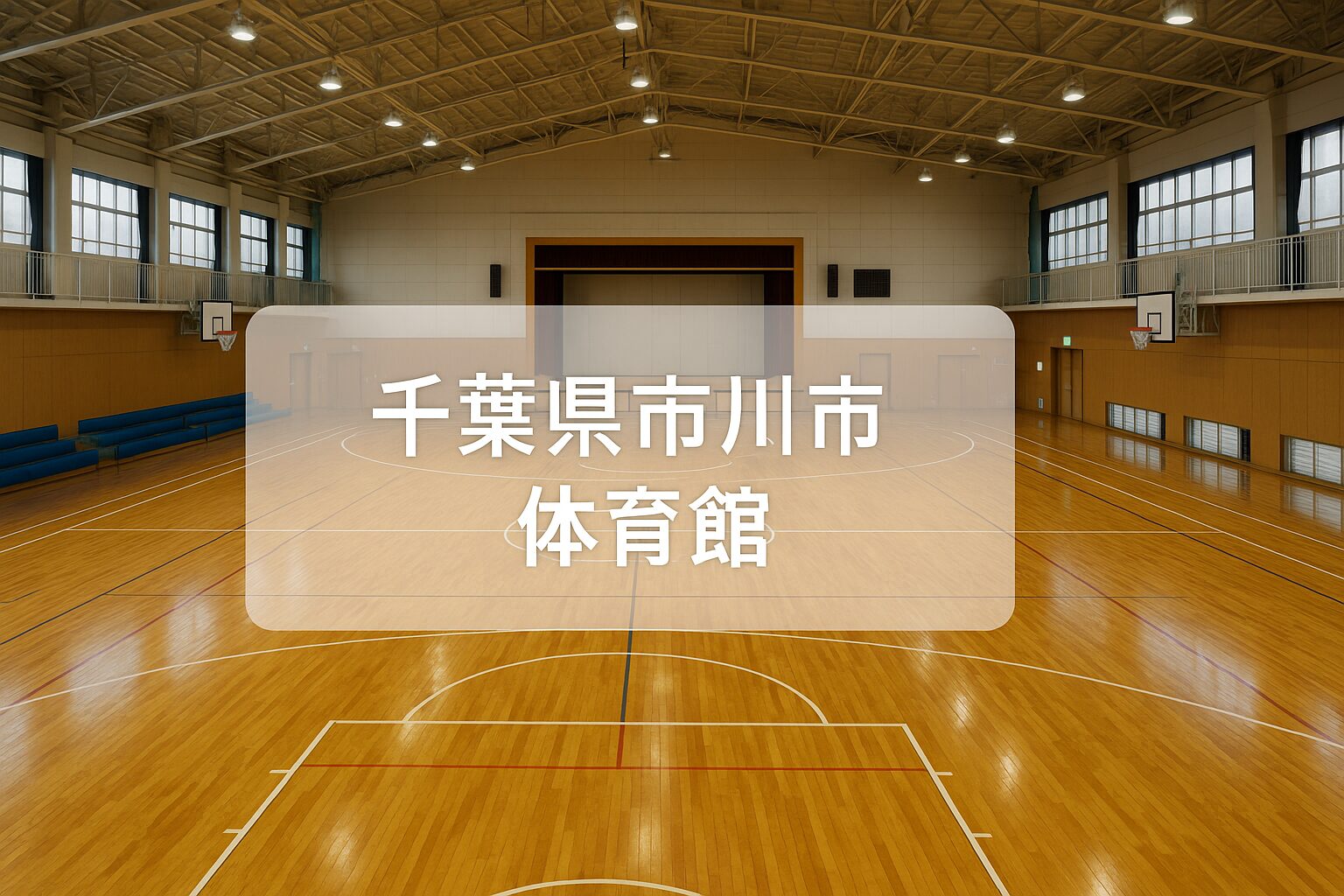
Staying in Japan for several months or years can be an exciting adventure, and incorporating recreation and exercise into your routine is key to a rich and healthy life. In Ichikawa City, Chiba Prefecture, there are many public gymnasiums and sports facilities operated by the city that are available to residents at very affordable prices. These facilities are open to everyone, including foreign residents, and offer a great way to stay fit, have fun, and even meet locals. Below, we introduce 5 city-run sports facilities in Ichikawa that are easy for foreigners to use, complete with locations, access information, hours, fees, and tips on how to use them and observe proper etiquette. Whether you’re looking to hit the gym, swim some laps, or join a pick-up basketball game, these public facilities have you covered.
1. Ichikawa City Sports Center (Kounodai Citizen Gymnasium)
The Ichikawa City Sports Center, commonly referred to as Kounodai Citizen Gymnasium, is a large sports complex that serves as the primary hub for indoor sports in Ichikawa. It features multiple gymnasiums (First Gymnasium and Second Gymnasium) under one roof and can accommodate a wide range of sports. The main arena is spacious enough to set up 2 full basketball courts, 4 volleyball courts, 8 badminton courts, or up to 26 table tennis tables at once. There are even spectator stands with over 1,000 seats, as this facility often hosts tournaments and events. On days without events, local clubs and groups use the courts for basketball, volleyball, badminton, futsal, and more. If you’re an individual, you can also take advantage of open use hours for casual play (more on that below).
One of the highlights of the Sports Center is its fully equipped training room (fitness gym) located on the 3rd floor. Here you’ll find weight machines, free weights, and cardio equipment like exercise bikes – perfect for weight training or a cardio workout. Since this is a public gym, the cost is extremely low: for Ichikawa residents it’s just ¥230 per session (and an amazing ¥110 for high school students), while non-residents pay ¥660 (students ¥330). Compared to private gyms in Japan, this is a fraction of the cost, which is great for those staying long-term on a budget. There is no monthly membership required; you pay per use. Note that the training room is available to users of at least high-school age (generally 16+). On your first visit, you’ll need to register at the front desk by filling out a form (bring some ID to show your address or student status if applicable).
Location & Access: The Sports Center is located at 1-6-4 Kounodai, Ichikawa City, on the grounds of Kounodai Park. It’s not immediately next to a train station, but is accessible by bus. From JR Ichikawa Station (North Exit), take a Keisei bus bound for “Matsudo Station” or “Matsudo Eigyosho” and get off at the Wayo Joshi Daigaku-mae stop (in front of Wayo Women’s University). The ride takes about 15–20 minutes, and then it’s a 2-minute walk to the Sports Center. If you’re coming from the JR Motoyawata Station area, a taxi or bus towards Kounodai could also be used. There is a parking lot on site, but spaces are limited and often in use for events, so public transport is recommended.
Hours & Closed Days: The gym is open daily from 9:00 to 21:00 (9 AM – 9 PM). However, on Mondays and on the day after a public holiday, it closes early at 17:00 (5 PM). In addition, it is closed on the last Monday of each month (or the previous week’s Monday if the last Monday is a holiday) for maintenance, as well as during the New Year holidays (generally around Dec 29 – Jan 3). Be sure to plan around these days. The facility offers evening hours, which is convenient if you work or have daytime commitments. If you use the courts at night under the lights, an additional lighting fee applies (the staff will let you know if this is relevant).
How to Use / Reservations: If you want to use a court for team sports (like you and your friends want to rent a basketball court or badminton court), you will need to make a reservation in advance. Ichikawa City uses a sports facility reservation system for all its public gyms and courts. First, you must register as a user of the system (this can be done at the gym’s office or via the city’s website, though the forms are in Japanese). Once registered, you can enter a lottery or first-come reservation for time slots each month. For example, as a registered Ichikawa resident, you could reserve a full basketball court for 2 hours for around ¥4,800 (whereas non-residents would pay much more, over ¥28,000 for the same). The steep difference in pricing is meant to prioritize residents, so as a foreigner living in Ichikawa you should definitely register with your local address to get the discount.
If you’re an individual without a group or just want to drop in and play casually, the good news is that Kounodai Gymnasium has “open use” hours for individuals every week. The Individual Open Day for Kounodai is Wednesday from 13:00 to 21:00 (1 PM – 9 PM). During these hours, the gym sets aside certain courts for individual participants. You pay a small fee at the door (again, just ¥230 for residents) and can join others in playing table tennis, badminton, volleyball, or basketball. The courts are usually divided by sport (for example, half the gym might be for basketball shoot-arounds or half-court games, another quarter for badminton, etc., rotating weekly). It’s a great way to meet people and enjoy sports without needing to organize a whole group. No reservation is required for individual open days – it’s first-come, first-served. Just arrive, sign in at the reception, pay the fee, and you’ll be directed to the area where people are playing your sport of choice. Do note that equipment is not provided for individuals, so bring your own racket, ball, etc., if needed (they provide nets and ping-pong tables, but things like rackets or shuttlecocks you should bring).
Etiquette & Tips: When using the Sports Center, there are some important Japanese gym etiquette rules to follow:
- Indoor shoes: Bring a pair of clean athletic shoes to change into specifically for indoor use. Street shoes are not allowed on the courts or in the training room to keep the floor clean and undamaged.
- Proper attire: Wear appropriate sportswear (T-shirt, shorts, track pants, etc.). Going shirtless is not common even for men, and sports facilities expect modest workout attire.
- Tattoos: Be aware that visible tattoos are generally not permitted in public sports facilities and pools in Japan because they can cause discomfort to others (due to cultural association with gangs). If you have tattoos, cover them with sleeves, sports tape, or a rash guard while in the gym or pool.
- Shared use: During individual open hours, you cannot hog a court exclusively for your group. Courts or tables must be shared. If others are waiting, play in turn or rotate players. Formal full-court games are usually not allowed unless organized by the staff; it’s more for shoot-around or half-court games so that everyone gets a chance.
- No equipment rental: The gym doesn’t rent out personal sports gear, so remember to bring things like badminton rackets, shuttlecocks, table tennis paddles, etc. (Basketballs or volleyballs might be available to borrow in some cases – you can ask – but it’s good to bring your own ball if you have one.)
- No food/drink on court: You can bring a water bottle (and you should, to stay hydrated) but don’t eat or leave trash in the gym. Also, all facilities in Japan prohibit alcohol – do not attempt to use the gym if you are intoxicated.
- Clean up and safety: After using weights in the training room, re-rack them and wipe down equipment if you sweat on it. In the gym, if you adjust or move equipment, put it back the way it was. And of course, be mindful of safety – for example, don’t practice slam dunks or kicks that could injure others, etc., unless in a proper setting.
- Language barrier: The staff at the Sports Center may not speak fluent English or other languages, but they are generally helpful. If you approach with a smile and maybe use simple words like “open play?” or show them an app translating what you want, they will do their best to assist you. Many signs will be in Japanese, but if you’ve read this guide, you’ll have a good idea of what to do.
Kounodai Citizen Gymnasium is a fantastic resource for staying active. Whether you want a serious workout in the gym or just a casual game of ping-pong with new friends, this Sports Center offers a welcoming environment at a hard-to-beat price. It’s definitely worth checking out if you’re in Ichikawa.
2. Shiohama Citizen Gymnasium
The Shiohama Citizen Gymnasium is another large public sports hall in Ichikawa, located in the southern part of the city (the Gyotoku area). It’s comparable in size to the Kounodai Sports Center and offers similar facilities, with a few additions. The main arena here can also host 2 basketball courts, 4 volleyball courts, and up to 10 badminton courts or 26 ping-pong tables. Impressively, Shiohama’s gym can also be configured into 2 futsal courts (indoor soccer), making it a popular spot for futsal enthusiasts. The high ceiling and spacious floor are ideal for all kinds of indoor sports, from martial arts (they have separate judo and kendo halls as well) to big tournaments.
As with Kounodai, Shiohama Gymnasium houses a training room (gym) equipped with weight machines, free weights, and cardio equipment. The usage fee is the same city rate: only ¥230 per session for residents (¥110 for high schoolers, and ¥660 for non-residents). That means you can get a full workout for just a couple of coins – a great deal for anyone, especially if you’re trying to stay fit during a long-term stay without committing to an expensive private gym membership.
Shiohama Gym opened in 1989, and after 35+ years it has undergone some renovation. In fact, from 2025 through 2026, the facility is undergoing exterior wall repairs and roof waterproofing work to ensure it remains safe and sound. Fortunately, the gym remains open during these renovations, with only minor inconveniences like some scaffolding in the lobby or reduced parking space. The city is investing in maintaining the facility, so you can be confident it’s safe to use. Don’t be put off if you see construction work; you can still go in and enjoy the sports.
Location & Access: The gym is located at 4-9-1 Shiohama, Ichikawa City. It’s a bit away from the train stations, but accessible by bus. From the Tokyo Metro Tozai Line’s Minami-Gyotoku Station, take the Keisei bus bound for “Haitown Shiohama” and ride it to the end of the line. The bus stop “Haitown Shiohama” is the last stop, and from there it’s only a 1-minute walk to the gym entrance. Alternatively, from Minami-Gyotoku you can take a bus toward “Shin-Urayasu Station” and hop off at “Haitown Shiohama” along the way. If you are coming from the JR Keiyo Line Ichikawa-Shiohama Station, there’s a Keisei Transit bus toward Urayasu Station that also stops at “Haitown Shiohama”. In all cases, aim for that stop. The gym is adjacent to a large apartment complex commonly known as Haitown Shiohama, which is a local landmark. If you drive, be aware that due to the ongoing construction work, about one-third of the usual parking space is unavailable (leaving limited spots). Taking the bus or cycling is advisable, especially on weekends when the gym can be busy.
Hours & Closed Days: Like other city gyms, Shiohama Citizen Gymnasium is open 9:00–21:00, with early closing at 17:00 on Mondays and the day after holidays. It closes on the last Monday of each month and over the New Year’s holiday period. Always check the city’s schedule if a holiday falls around end of month or you plan to go during New Year’s.
How to Use / Reservations: For group use, Shiohama follows the same reservation system as Kounodai. You’ll need to register and book via the city’s online reservation system or at the reception desk in advance if you want to reserve a court or the whole gym for your club/friends. Because Shiohama has two large gymnasiums (First and Second), sometimes one might be free even if the other is booked for an event, but it varies. If you’re part of a local team (say you join a local futsal circle), the team may handle the booking for you. As an individual, the more immediate way to enjoy the facilities is to attend the Individual Open Day on Thursdays. At Shiohama Gym, every Thursday from 13:00 to 21:00 is set aside for individual (personal) use, similar to Kounodai. You pay the small fee (¥230 for adults) and can join in various sports areas. Typically, ping-pong and badminton are very popular here, and they also may have one of the two futsal courts or basketball half-courts available for shoot-around or casual games. Just like at Kounodai, you should bring your own rackets or ball. No reservation needed – just show up on Thursday, sign in at the desk, and start playing!
Etiquette & Notes: Shiohama’s rules mirror those of Kounodai (and generally all Japanese public gyms):
- Always change into indoor shoes before stepping onto the courts or into the training room.
- Wear appropriate sports attire (no jeans or casual clothing on the court; also swimwear is not allowed in the gym areas obviously – save that for the pool facility).
- No visible tattoos – cover them up while using the facilities.
- No smoking or drinking – the entire facility is smoke-free and alcohol is forbidden. If the staff suspect you’re intoxicated, they won’t allow you to use the gym for safety reasons.
- Bring your own equipment – especially for individual use time, as the gym doesn’t loan out things like badminton rackets or table tennis paddles.
- Share the space politely – Shiohama Gym can get lively during open use with many people wanting to play. Be fair and take turns. For example, if others are waiting to play badminton, limit your game to one set and then rotate out. Japanese users will often organize rotation among themselves; as a foreigner, don’t be shy to join – a smile and a simple “O-ne-gai shi-masu” (which means “Let’s play together / I’m in your care”) can break the ice.
- Since Shiohama has some ongoing construction work (like scaffolding when they work on the ceiling), pay attention to any signposted detours when entering and be cautious in parking areas.
- Lockers and showers are available; typically you can use a locker free or with a ¥100 deposit. It’s a good idea to have a 100-yen coin on hand just in case.
Shiohama Citizen Gymnasium is an excellent venue if you’re staying in the Gyotoku, Minami-Gyotoku, or even nearby Urayasu area. It offers everything from a casual ping-pong session to a full-court basketball game or futsal match. The diverse sports options mean you can try different activities as well. Why not drop by on a Thursday afternoon and see what’s happening? It’s a fantastic way to keep active and maybe pick up a new sport while you’re in Japan.
3. Shintoku Citizen Gymnasium
The Shintoku Citizen Gymnasium is a more community-scaled gym located in the northwestern part of Ichikawa City. What it might lack in size compared to Kounodai or Shiohama, it makes up for in convenience and a friendly local atmosphere. This gymnasium is nestled next to the Shintoku Community Center in the Baraki area and is particularly convenient for those living near Baraki-Nakayama Station on the Tokyo Metro Tozai Line.
The main hall of Shintoku Gymnasium is about one basketball court in size, allowing for 1 basketball court (or 2 volleyball courts, or 4 badminton courts) and a few ping-pong tables to be set up. It’s an ideal space for local clubs, small tournaments, or casual games. Because of its smaller size, the gym isn’t used for large events, but rather for community sports like weekly badminton meet-ups, table tennis practice sessions, and so on. For an individual foreigner looking to get some exercise, this more intimate setting can actually feel less intimidating than a huge sports arena.
Shintoku also features a modest but useful training room (weight room) equipped with the essentials: some free weights, multi-function weight machines, and cardio equipment. It may not be as extensive as the larger gyms, but you can definitely get a solid workout in. And of course, the cost is the same ¥230 per session for residents (or a jaw-dropping ¥110 if you’re a student). It’s arguably one of the cheapest ways to work out in a gym environment. Another plus is that Shintoku’s training room tends to be less crowded, especially on weekdays, meaning you often won’t have to wait for machines.
Location & Access: The gym is at 1-8-2 Takaya, Ichikawa City (the area historically called Shintoku). The big advantage here is that it’s just a 2-minute walk from Baraki-Nakayama Station (Tozai Line). In fact, when you exit Baraki-Nakayama Station (a station on the subway line that’s about 20 minutes east of central Tokyo), you’ll find the Shintoku Kominkan (Public Hall) and gymnasium right in the neighborhood. This ease of access is great if you live along the Tozai Line or if you’re coming from Tokyo – you can hop off the train and be at the gym in minutes. If you’re coming by car, there is a small parking area, but given the proximity to the station, using the train or bicycle is recommended.
Hours & Closed Days: Open 9:00–21:00 (closing at 17:00 on Mon and post-holidays), closed on last Mondays and New Year’s holidays, just like the other gyms.
How to Use / Reservations: For private group use, you’ll go through the same reservation system. However, note that because Shintoku Gymnasium only has one main court, availability can be tight if local groups have standing reservations. It’s often used by school clubs, local community teams, etc. Still, if you and some friends wanted to book it for a time slot, you could check the system or inquire at the gym office – sometimes late evening slots or certain weekends might be free. As for individual use, Shintoku Citizen Gymnasium’s Individual Open Day is every Friday from 13:00 to 21:00. This is a chance for individuals to drop in and play sports without reserving. Typically on Fridays, they might set up part of the space for table tennis and part for badminton, etc., or half the time for one sport and then switch – it can vary. Because the space is smaller, they schedule specific sports for specific Fridays of the month (for example, one week might have volleyball and ping-pong, the next week basketball and ping-pong, etc.). You can check the monthly schedule if you read Japanese, or just show up and see. The fee is the standard ¥230. You sign in at the counter and they’ll direct you to the activity available. Don’t expect a full-court game of basketball here on individual day, since with only one court they usually allow half-court play to maximize participation, but it’s still plenty of fun.
Etiquette & Tips: In a smaller gym like Shintoku’s, it’s especially important to be considerate:
- Sharing and fairness: If there are multiple groups wanting to use the court, no single group can monopolize it. The rule explicitly says you cannot “reserve” the court for one group during open use – everyone must adjust and share. Usually, this means perhaps playing a pickup game up to a certain number of points then rotating, or if playing badminton, limiting play to one set when others are waiting.
- Bring your gear: As with others, bring your own rackets, etc. The facility likely has things like volleyballs or basketballs that regular users leave or the staff might lend, but it’s not guaranteed.
- High school and younger usage: One note – children (elementary/junior high students) can only use city gyms until 17:00 unless accompanied by an adult. So if you have any younger family members, keep that in mind for evening use.
- Language: The staff here may not speak English at all (it’s a local neighborhood gym), but the atmosphere is usually relaxed. If you look a bit lost, often a fellow gym user might try to help you out with simple English or gestures. Don’t hesitate to politely ask, “Sumimasen…?” (excuse me) and point to what you’re interested in – someone will guide you.
- Rules in training room: Same as elsewhere – indoor shoes, towel, re-rack weights, cover tattoos, etc. One specific rule to note: high school students and older only in the training room; they won’t allow middle schoolers or younger for safety.
Shintoku Citizen Gymnasium might become your favorite little workout spot if you’re living nearby or prefer a quieter environment. Its close proximity to the train station makes it incredibly handy. You could easily stop by for an hour of weightlifting or a quick game of badminton in the evening. It’s a great example of Japan’s local public sports facilities that welcome everyone – including foreign residents – in a very community-oriented way. Take advantage of it to keep fit and perhaps get to know some of your neighbors!
4. Ichikawa City Swimming Pool (Summer Outdoor Pool)
When the summer heat rolls in, there’s nothing better than a refreshing swim. Ichikawa City may not have a year-round public indoor pool, but it operates a wonderful City Swimming Pool during the summer season that is open to all. For foreign residents, this is a fantastic place to cool off, have fun, or even get some serious lap swimming done, all without needing an expensive resort or private club.
The Ichikawa City Pool is an outdoor water park-style pool facility set in a green area of northern Ichikawa. It offers a variety of pools: a 50-meter pool for those who want to swim laps or train, a 25-meter pool, a lazy river pool (where water flows and you can float along), a children’s pool with a slide, and a shallow toddler pool for the little ones. This range of pools means there’s something for every age and activity level – from serious swimmers to families with kids just splashing around. There’s also a grass lawn around the pools where people often set up picnic blankets or even pop-up tents to create a base camp for the day (yes, you’re allowed to bring a simple beach tent or sunshade!). Facilities on site include a snack bar (selling things like ice cream, drinks, light meals), a first-aid room, plenty of showers and changing rooms with lockers (100 yen refundable deposit type), and even a large free parking lot.
Operating Season & Hours: The City Pool is open only in the summer, typically from mid-July to early September each year. For example, it might open around the third Saturday in July and run until the first Sunday of September. It’s only open during this period. Within the season, it operates daily from 9:00 to 17:00 (9 AM – 5 PM). There are no evening or night swim hours – it’s strictly a daytime pool. The pool is usually open every day of the week during its season (no regular closed day), weather permitting. If there is heavy rain or thunder, they may temporarily clear the pools for safety. In case of a major typhoon or continuous bad weather, the pool might close for the day. Importantly, there are no refunds if you’ve entered and weather conditions force closure, so check the forecast or call if the weather looks iffy.
Admission Fees: Entry to the pool is very affordable. It’s a flat one-time entry fee that lets you use all pools for the whole day (you can technically exit and re-enter with a stamp, so you could go have a picnic lunch outside and come back in). The rates are: Adults (High School age and above) – ¥770, High School Students – ¥510, Children (Elementary & Jr. High) – ¥250, and Preschool children – Free. On certain designated days (for example, sometimes “Marine Day” holiday in July), they’ve offered free admission for kids, but generally these are the standard prices. Unlike the gyms, there’s no higher fee for non-residents – anyone pays the same cheap price. If you have a disability certificate, you and one caregiver can enter for free (just show it at the gate).
Location & Access: The pool is located at 4-2270-3 Kitakata-machi, Ichikawa City. It is in the northern part of the city, near the Satomi Park and the Ichikawa Zoological and Botanical Garden (so you could even combine a zoo visit and a swim in one day!). Getting there requires either a bus or a car, as it’s not close enough to walk from a train station. Here are the common routes:
- From JR Motoyawata Station (Hon-Motoyawata) north exit, take a Keisei bus bound for “Iryō Center Iriguchi” (Medical Center Entrance) or “Dōbutsuen” (Zoo). Get off at Ono Chūō Byōin (Ono Central Hospital) stop. It’s about a 10–15 minute ride, then a 5-minute walk to the pool. The hospital is a large landmark; from there you’ll likely see signs or other families heading to the pool.
- From JR Ichikawa Station north exit, take the Keisei bus for “Ichikawa Gakuen” (which is a school at the end of the line). Get off at the final stop, Ichikawa Gakuen. The pool is about a 10-minute walk from this stop (you’ll walk through part of Satomi Park to get there).
- By car, you can navigate to “Ichikawa City Pool” or the address. The pool has a huge free parking lot with 300 spaces. On weekdays it’s usually fine, but on weekends, especially during summer holidays, the lot can fill up early. If arriving by car on a sunny weekend, try to get there by opening time (9 AM) or shortly after to secure a spot, otherwise you might have to wait or park elsewhere and walk.
Using the Pool: No reservation is needed – it’s first-come, first-served entry. However, extremely crowded days might have a capacity limit (especially if there are lingering COVID-19 precautions or such), but generally they can accommodate a lot of people (the pool had over 1,000 visitors on some days). Here’s what to expect and some do’s and don’ts:
- Locker Rooms: After paying the admission at the entrance, you’ll go into gender-separated locker rooms. Bring a 100 yen coin for the lockers (it will be returned when you unlock). It’s a good idea to leave most of your valuables locked; many people set up a tent outside and leave towels and cooler boxes there, but keep wallets/phones in a locker or waterproof pouch on you because, while Japan is safe, it’s a public place.
- Swimwear: You must wear proper swim attire. Unlike some countries, swim caps are generally not required in leisure pools in Japan (usually only in school or lap pools). So you can swim without a cap here. You cannot wear regular clothing (shirts, jeans, etc.) in the water for hygiene reasons. If you want sun protection, a swim shirt or rash guard is okay.
- Showers: Before you jump in, you are expected to rinse off in the shower area. Typically, everyone should shower and for ladies, if you have makeup on, it’s polite to remove heavy makeup (and definitely no sunscreen lotions in the water; apply sunscreen, but let it absorb or use waterproof types because the pool water shouldn’t get oily).
- Enjoy the Pools: There will be a big circular “lazy river” pool where many families float with inner tubes (you can bring your own floats). There’s a rule that very large floats might not be allowed in certain pools (especially huge inflatable boats or giant unicorn floats that could obstruct others). The 50m pool is usually roped into lanes and often half is for lap swimming and half might be used for people just free swimming. If you’re a serious swimmer, stick to the lap lanes and be mindful of the pace of others. The water depth in the 50m is likely 1.2m to 1.4m – so not super deep. Diving is not allowed except maybe off the edge in the lap lane (no diving boards).
- Children: Small kids must be supervised. They provide some life buoys and there are lifeguards, but you should watch your own kids carefully. Kids who aren’t toilet-trained must wear swim diapers; normal diapers are not allowed in the pool water.
- Break Times: Japanese pools often have hourly “rest times” where everyone must exit the water for about 5-10 minutes. This is for safety (so lifeguards can ensure no one is in trouble and everyone takes a short break). Listen for announcements or whistles – typically at the top of the hour, a voice will announce a rest time.
- Food and drink: There’s a snack bar selling things like yakisoba, hot dogs, kakigori (shaved ice), drinks, etc. Prices are reasonable. You are also allowed to bring your own bento or snacks and eat in designated areas (on the grass or picnic tables). Just no glass bottles and no alcohol. Also, no eating or drinking while actually in the pools.
Etiquette & Safety:
- No Tattoos: Like other facilities, if you have tattoos, you absolutely should cover them at this pool. Public pools in Japan often have strict no-tattoo policies. If you have a small tattoo, cover it with a waterproof bandage or sports tape. If you have large tattoos, wearing a swim shirt or leggings to hide them is a good idea. People with visible tattoos might be asked to leave (even foreigners).
- Follow Lifeguard Instructions: There will be numerous lifeguards (often high school or college students working summer jobs, wearing uniforms). They might blow whistles if someone is running by the pool or doing something dangerous. Common sense: don’t run on wet surfaces, don’t shove or dunk others, and no diving where it’s not allowed.
- Rest and Hydrate: It gets very hot in Japan’s summer. Take rests in the shade, drink water or sports drinks to avoid heatstroke. There are some shaded areas and you can bring a beach umbrella or small tent for shade on the lawn.
- Dispose of Trash: As always, Japanese facilities might not have many trash cans visible (often you bring your trash home). But a pool might have some garbage bins near the vending machines or snack area. In any case, don’t litter. Keep the area clean for everyone.
Ichikawa City Pool has a bit of a retro atmosphere (it’s been around since 1982), which many locals find nostalgic and charming. For a foreign visitor or resident, it’s a great taste of Japanese summer leisure. It’s not as flashy as big water parks, but it’s friendly, local, and fun. Spend a day here to beat the heat – float in the lazy river, challenge your friends in a race in the 50m pool, or just relax on the lawn. It’s an experience that will make your summer in Japan memorable.
5. J:COM North Ichikawa Sports Park (Kita-Ichikawa Undo Koen)
Rounding out our list is something a bit different: the J:COM North Ichikawa Sports Park. This is a large outdoor sports and recreation park that opened in recent years in the northern part of Ichikawa City. It was originally called “Kita-Ichikawa Undō Kōen” (North Ichikawa Athletic Park), and after a naming rights deal, it’s now officially named after J:COM, a cable TV company. This park is a fantastic place for those who love outdoor sports like tennis, jogging, or just enjoying a park atmosphere with fitness opportunities.
Facilities & Features: The headline feature of the park is its 12 tennis courts. All courts are artificial clay surface; 4 of these courts have nighttime lighting so they can be used in the evenings. There are also 2 practice walls where you can hit tennis balls by yourself (great to warm up or practice strokes if you come alone). Next to the courts is seating for over 1,000 spectators, indicating that these courts can host major tennis tournaments.
Aside from tennis, the park offers a lot of open space:
- A jogging and walking course loops through the park and connects to a riverside path along the Obashiwara River. This means you can go for quite a long run seamlessly from the park onto a scenic riverside route and back. Runners and walkers frequent this path, especially in mornings and evenings.
- Several multipurpose grass fields and dirt fields are available. One area called the “sports field” is basically a dirt ground that can be used for casual baseball/softball (footbase, a Japanese children’s version of baseball played with a soft rubber ball, is mentioned) or ground golf (a mini-golf-like sport popular among seniors). These fields can also host community events, fairs, or serve as warm-up areas during sports meets.
- A conditioning area with nine pieces of outdoor fitness equipment (think of those public workout stations for stretching, pull-ups, balance, etc.) is installed, allowing anyone to do a little exercise circuit for free.
- Open lawn spaces are abundant – perfect for throwing a frisbee, doing yoga, or having a picnic. On days when sports tournaments aren’t using them, you’ll see families and friends lounging or kids kicking a soccer ball around casually.
- A clubhouse (often called the “Club House” or management building) is on site, which has the park’s administrative office, meeting rooms (that local sports clubs can rent for meetings or indoor activities), restrooms, and coin-operated showers (great for rinsing off sweat after a tennis match or run). There are also two other restroom facilities around the park.
- For events, sometimes food trucks or stalls might pop up, but generally, there isn’t a permanent café, so consider bringing snacks or drinks (though vending machines are surely available).
This Sports Park is thoughtfully designed to be a community sports hub where people can casually enjoy exercise or serious athletes can train, all in a pleasant park setting.
Hours & Usage: The park itself is open year-round. Entry to the park is free, and you can use the jogging paths or exercise areas freely at any time during park open hours (typically parks are open early morning till evening). The tennis courts and meeting rooms have specific hours: generally 9:00 to 17:00 for most courts, except the four with lights which can be used until 21:00. If you are using a court with lights, the lights will automatically turn on at a set time (for instance, around 6 PM in summer) and you’ll be charged a lighting fee in addition to the court fee. The exact light schedule by month is posted (e.g., lights from 6 PM in April-Sept, from 5 PM in Oct, from 4 PM in winter months due to earlier sunset).
There isn’t a weekly closed day for the park – it’s generally open every day. However, maintenance or special events could close parts of it occasionally. Always check the city’s website or postings if you plan to go at an unusual time like year-end holidays, just in case.
Fees & Reservations:
- Park Entry / Casual Use: Totally free. You do not need any reservation to just go jog, use the open areas, or play with your kids on the grass.
- Tennis Courts: These require a fee and reservation. The fee is charged per 2-hour slot per court. As an example, if you are an Ichikawa resident, a 2-hour slot on one court might cost around ¥500~¥800 (the rates are set by city ordinance; it’s roughly that range), and for non-residents about double. If you use the court at night with lights, there is an additional hourly light charge (perhaps a few hundred yen per hour). Courts are very affordable, but because they’re popular, you must reserve in advance via the same Ichikawa sports reservation system used for the gymnasiums. This typically involves entering a lottery or booking when the slots open for reservation each month. If you’re keen to play regularly, consider registering in the system as soon as you have an address in Ichikawa – it will make booking easier and cheaper for you.
- On-the-day Use: If a court happens to be free at a given time (which might be rare on weekends but possible on weekdays), you can inquire at the clubhouse and pay on the spot to use it without prior booking. The clubhouse staff can tell you which hours are free.
- Meeting rooms: The clubhouse has two small meeting rooms which can be combined. Locals sometimes use these for sports club meetings, etc. You likely won’t need these as a casual user, but know that they exist (and can be booked for a small fee).
- Equipment Rental: There isn’t rental of tennis rackets or balls from the park, so bring your own gear. It’s expected that users bring all their equipment.
Access & Getting There: The Sports Park’s address is 4-277-1 Kashiwaicho, Ichikawa City. It’s situated a bit away from dense residential areas, near the city’s Northern Healthcare Center and some agricultural fields, making it a nice open area.
- By Bus: Several bus routes serve the nearby Health and Medical Welfare Center (Hoken Iryō Fukushi Center) which is basically at the park. For instance:
- From JR Hon-Motoyawata Station, take bus number 11, 12 or 13 (these are Keisei buses from stop 2 at the station) heading to “Iryō Center Iriguchi” (Medical Center Entrance). Get off at the last stop, which is the Medical Center, a 3-minute walk from the park.
- From JR Ichikawa Station, bus route number 4 goes to “Iryō Center Iriguchi” as well from stop 3.
- From JR Ichikawa-Ōno Station (on the Musashino Line), you can also catch the bus number 13 or 14 toward the Medical Center.
- From JR Shimosa-Nakayama Station, there is a bus towards “Hoken Iryō Fukushi Center” (via Funabashi-Hōten Station route) which also ends at the Medical Center.
- Ichikawa runs a community bus (North-East route) that also stops at the Medical Center.
- By Car/Bicycle: The park offers a parking lot with 126 free parking spaces (and additional overflow for bikes). If you have a car, it’s easy to drive there (about 15-20 minutes from central Ichikawa, and also accessible from the direction of Funabashi or Matsudo via local roads). Parking is free, which is great. Just note that during big events (like if there’s a tennis tournament or a community festival), the lot can fill up.
Etiquette & Tips:
- For Tennis Players: Wear proper tennis shoes (shoes that won’t damage the artificial clay surface; regular sneakers are okay as long as they have non-marking soles). After play, players are expected to tidy up the court – often in Japan, public clay courts have brooms or drags that you should use to smooth the surface for the next players. It’s a nice gesture to do a quick sweep especially if you were playing intense rallies.
- Lighting Fee: If you have a court that goes into the evening, the lights will come on at the designated time and you’ll be charged automatically. Make sure to inform the staff and pay the lighting fee when you finish.
- Enjoy the Park Facilities: Even if you don’t play tennis, this park is worth visiting. You can have a jog, then use the outdoor stretching equipment for a little workout circuit. Perhaps bring a soccer ball or frisbee – there are open areas you can use freely as long as you don’t interfere with others. It’s a perfect place to go with friends or family on a weekend to be active.
- Events: Keep an eye out for community events. Sometimes, the park hosts sports days, outdoor yoga classes, or seasonal festivals (for example, a summer festival on the lawn). Those can be fun cultural experiences and usually welcome foreign participants.
- Trash & Cleanliness: As a public park, there might be limited trash cans. It’s good practice to take your trash home with you (this is common in Japan). Also, if you happen to use the free areas for a picnic or such, do clean up thoroughly after.
- Restrooms and Vending Machines: There are two outdoor toilet facilities aside from the clubhouse. They are generally clean but basic. Vending machines for drinks are available, so you can buy water or sports drinks on site.
J:COM North Ichikawa Sports Park is a gem for anyone who enjoys outdoor activities. For foreigners in Ichikawa, it offers a great opportunity to maintain an active lifestyle under the blue sky – be it playing tennis in a friendly match against locals or just jogging in a safe, pleasant environment. It’s also a place where you can connect with community members; you might find a tennis circle to join or strike up a conversation with fellow runners. On a sunny day, the park buzzes with positive energy, and it’s a wonderful reminder that staying active can also mean having fun and connecting with others, not just breaking a sweat in a gym.
Conclusion: These five facilities – Kounodai, Shiohama, Shintoku gymnasiums, the City Pool, and the North Ichikawa Sports Park – are all excellent resources for foreign residents looking to enrich their lives in Japan with sports and recreation. They are affordable, accessible, and open to everyone, regardless of nationality. By using public sports facilities, you not only maintain your health but also get a chance to engage with the local community. Many Japanese people at these venues will be curious and friendly towards foreign users, especially if you show enthusiasm for sports.
A few extra tips for all facilities: If you’re unsure about anything (like how to register, or where to put something), don’t hesitate to ask the staff or even the person next to you. A simple “Sumimasen…” (excuse me) and pointing at what you need will usually get you help. Also, consider learning a few sport-specific Japanese phrases – for example “onegaishimasu” as mentioned, or “arigatou” (thank you) when someone helps or plays with you, and “ganbarimashou” (let’s do our best) to cheer others on. These go a long way in building camaraderie.
Remember that in Japan, public facilities operate on trust and cooperation. Always follow the rules (even if they seem strict, like removing outdoor shoes, or pool break times) and treat the facilities with care. By doing so, you ensure that these wonderful places remain pleasant for everyone.
Staying active will not only improve your physical well-being but also your mental health, especially if you’re far from home. So grab your workout gear or swim trunks, and head out to enjoy what Ichikawa has to offer. Your work life will feel more balanced and your experience in Japan more fulfilling. Who knows – you might score some new friends along with those points on the court!