 By How to Live in JAPAN 編集部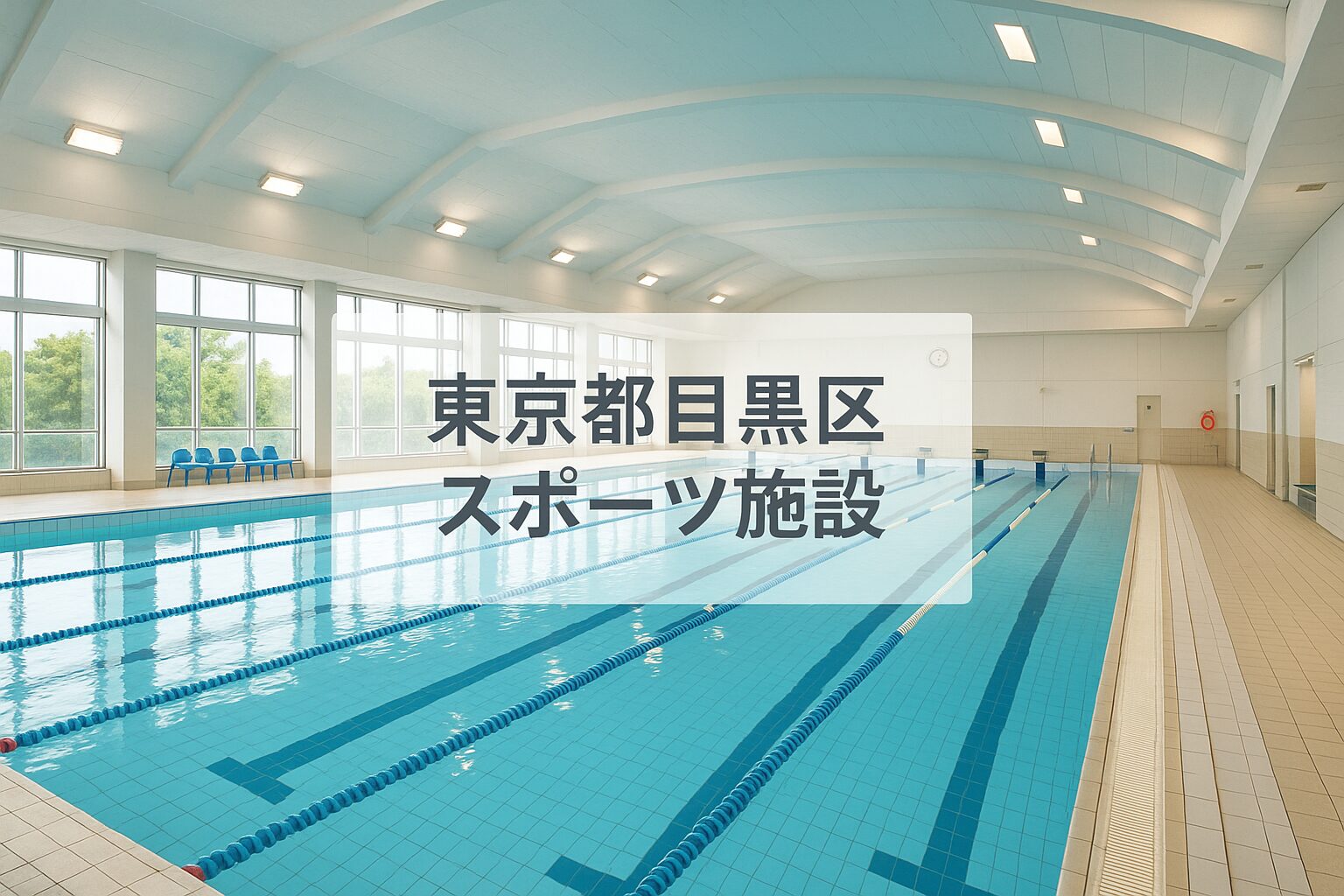
Looking to stay active and healthy during your long-term stay in Tokyo? Meguro Ward operates several public sports facilities that are affordable, accessible, and welcoming to foreign residents. These ward-run gyms and pools are great places to work out or play sports without needing an expensive private gym membership. From indoor basketball and badminton to weight training in the gym or swimming in a pool, you can enjoy a variety of recreational activities just like the locals. Here, we highlight 5 public sports centers in Meguro Ward that are especially easy for foreigners to use and perfect for enriching your life in Tokyo beyond work.
1. Meguro Kumin Center Gymnasium (目黒区民センター体育館)
Meguro Kumin Center Gymnasium is a comprehensive sports center located about a 10-minute walk from JR/Tokyu Meguro Station, inside the Meguro Ward Citizens Center complex. It offers facilities for all ages, including an indoor swimming pool and a fully equipped training gym. In the summer, an outdoor 50-meter pool is open – the only one of its kind in Meguro – making it a popular spot for swimmers.
- Location & Access: 2-4-36 Meguro, Meguro-ku, Tokyo (in Meguro Ward Citizens Center). Approximately 10 minutes on foot from Meguro Station. No dedicated parking lot is available, so please use public transport.
- Hours & Closures: Open daily 9:00–22:00 (last entry 21:30). Closed annually from December 28 to January 4 for New Year holidays.
- Facilities: Main gymnasium hall (with one basketball court, one volleyball court, four badminton courts, etc.), weight training room (gym), an indoor heated pool (25m, 6 lanes), a seasonal outdoor pool (50m, 9 lanes) with a kiddie pool in summer, and two outdoor tennis courts. This wide range of facilities means you can enjoy many types of exercise year-round.
- Usage Fees: For individual use, adults pay ¥300 per visit, and children (high school age and below) or seniors (65+) pay ¥150. This fee grants access to the gymnasium and training room with no time limit. The indoor pool costs ¥400 for adults (¥200 for youths/seniors) for up to 2 hours; each additional hour is ¥300 (¥150 for youths/seniors). Foreigners and non-residents of Meguro Ward pay the same fees – the facilities are open to everyone.
- How to Use: No membership or advance booking is required for personal use. Simply purchase a ticket at the entrance vending machine on the day you visit. If it’s your first time using the training room, inform the staff at reception and they will give you a short orientation session (around 10 minutes) to explain how to use the equipment and the safety rules. The orientation is available on the spot without reservation, and even if you’re new to gym equipment, the staff will guide you through it, so don’t worry.
- Etiquette & Tips: Wear clean indoor athletic shoes when using the gymnasium or training room (street shoes are not allowed on the court or gym floor). A proper swimsuit and swim cap are required in the pools. If you have tattoos, be sure to cover them (e.g. with a rash guard shirt) when using the pool, as visible tattoos are not permitted. The entire facility is non-smoking, and eating is only allowed in designated lounge areas (no food inside workout areas). Lockers are available in the changing rooms (refundable ¥100 coin required) and there are free small lockers for valuables – use them and keep your belongings secure. It’s a good idea to bring a towel to wipe off sweat and to clean equipment after use, as is customary in Japan.
- Official Info: The Meguro Kumin Center Gymnasium has an official website (Japanese-only, with some machine translation tools available). You can find up-to-date schedules for open use and classes, as well as announcements about events or maintenance closures. It’s worth checking their site before you visit for the latest information.
2. Meguro Chuo Gymnasium (目黒区立中央体育館)
Meguro Chuo Gymnasium is a large sports center located in the Meguro Honmachi area. It’s about a 7-minute walk from either Nishikoyama Station or Musashi-Koyama Station on the Tokyu Meguro Line. This facility is notable for its expansive arena that can accommodate sports tournaments, as well as specialized areas like martial arts halls and even an archery range. If you’re into judo, kendo, or other martial arts (budo), or want to practice archery or air rifle shooting, this gymnasium provides the proper spaces and equipment – in addition to a standard training gym and studios for exercise classes.
- Location & Access: 5-22-8 Meguro Honmachi, Meguro-ku, Tokyo. About 7 minutes on foot from Nishikoyama Station or Musashi-Koyama Station (Tokyu Meguro Line). The gym is tucked in a residential neighborhood. No on-site parking is available, so use public transit.
- Hours & Closures: Open 9:00–22:00 (entry until 21:30). Closed on December 28–January 4 and occasionally for maintenance or events as announced.
- Facilities: A main arena (gymnasium) with 2 basketball courts (or 2 volleyball courts, 8 badminton courts, soft tennis 2), two martial arts halls (for judo, kendo, karate practice), a kyudo archery range, an air rifle shooting range, a weight training room, and a multi-purpose exercise studio. There is no swimming pool or outdoor sports field here, but as an indoor sports facility it’s one of the most well-equipped in the ward.
- Usage Fees: The same standard fees apply: ¥300 for adults or ¥150 for youth (high school and under) and seniors, which covers entrance to the general open-use of the arena and training room. If the martial arts halls or archery range have public open hours, they can be used under the same individual fee. (For exclusive reserved use by groups, different fees and booking procedures apply.)
- How to Use: During public open-use hours, you can drop in without reservation. Check the schedule for when the arena or specific facilities (like the martial arts hall) are open for general use. Buy a ticket at the lobby machine and you can enter starting from about 15 minutes before the open program begins. If you plan to use the training gym, remember to do the first-time orientation as at other facilities. For group or club use (e.g., reserving a court or the hall for a private session), you will need to register as a group with the ward’s reservation system in advance.
- Etiquette & Notices: Always follow the instructions of the staff and coaches on site for safety. Bring indoor shoes for any activity on the courts or halls (for example, non-marking shoes for basketball/volleyball and proper footwear for martial arts). It’s expected to clean up and put away any equipment after use and to help with general tidying if you’re there at closing time. Photography or video recording inside the facility is not allowed without permission. If you are trying a new activity (like archery or kendo) for the first time, don’t hesitate to ask staff for basic guidance – they can at least point you to the rules or proper usage even if language is a barrier. Specialist areas like the archery and rifle ranges have strict rules, so be sure to observe all posted guidelines.
- Official Info: The Meguro Chuo Gymnasium has an official website (Japanese) with schedules for open use, class registrations, and news. They announce events, any changes in hours, or maintenance closures there. It’s advisable to check the site or contact the gym by phone if you’re planning a visit, especially for specific facilities like the archery range, to ensure they are available to the public when you go.
3. Komaba Gymnasium (目黒区立駒場体育館)
Komaba Gymnasium is located within the leafy Komaba Koen (Komaba Park) and is just a 5-minute walk from Komaba-tōdaimae Station on the Keio Inokashira Line. Surrounded by greenery, this sports center offers a calm environment despite being in Tokyo’s urban area. It features a variety of facilities including an indoor pool and even outdoor tennis courts and a gateball field, making it popular among both young people and the elderly. The training room at Komaba Gymnasium is unique for having an indoor running track on the upper level, which is great for those who want to do cardio workouts.
- Location & Access: 2-19-39 Komaba, Meguro-ku, Tokyo (inside Komaba Koen Park). From Komaba-tōdai-mae Station (West Exit) it’s about a 5-minute walk. The gym is in a green park setting, providing a pleasant atmosphere. There is no parking lot, so please arrive on foot or by train/bus.
- Hours & Closures: Open 9:00–22:00 (ticket sales until 21:30). Closed December 28–January 4 for the holidays. Occasionally there may be unscheduled closing days for maintenance or events (these will be posted in advance by the facility).
- Facilities: Multipurpose indoor arena (1 basketball court, 2 volleyball courts, 6 badminton courts or up to 16 table tennis tables can be set up), a fitness training room, a heated indoor pool (25m length), outdoor tennis courts (artificial turf with sand infill), an outdoor gateball ground (primarily for seniors’ use), and an indoor jogging track that loops around the upper floor of the gym. With these amenities, Komaba Gymnasium can accommodate many sports and exercise needs.
- Usage Fees: As with other ward gyms, individual admission is ¥300 for adults and ¥150 for children/seniors, which covers use of the gymnasium and training room during open hours. The pool costs ¥400 for adults (¥200 for kids/seniors) for up to 2 hours. If you want to reserve the tennis courts or the indoor arena for private group use, you must go through the reservation system, and separate hourly fees apply for those bookings.
- How to Use: Check the open-use schedule for the activity you’re interested in (gymnasium, pool, or training room) – Komaba often has different programs each day (for example, specific hours for table tennis or volleyball on certain mornings/evenings). During those times, just show up and buy your ticket from the machine to join in. Note that if the pool reaches capacity, they may implement a waiting system (they even have an online queue system for the pool during peak summer days). On very busy days (like weekends in summer vacation), you might have to wait your turn to enter the pool area, so plan accordingly.
- Etiquette & Tips: In the gymnasium, be mindful of sharing space with others – if it’s an open play session, players usually rotate or take turns for games like badminton or basketball. In the training room, there may be sign-up whiteboards for certain machines (like treadmills) if it’s crowded; follow any posted time limits and queueing rules. Always wear your indoor shoes and appropriate sports attire (no street clothes) when using the facilities. In the pool, a swim cap is mandatory for hygiene. Also, because Komaba Gym is situated in a quiet residential park area, make sure not to create excessive noise outside the facility (especially at night). As with all public gyms, smoking is prohibited and you should refrain from eating except in designated rest areas. The staff will post notices if certain areas are partially closed for any reason (like a booked event), so keep an eye on the bulletin board or ask if you’re unsure.
- Official Info: Komaba Gymnasium’s official website (Japanese) provides monthly pool schedules and training room program timetables. It also posts news, such as temporary pool closures or introduction of new classes. Checking this site before visiting can help you know, for example, which lanes might be occupied by classes or if any equipment is under maintenance.
4. Yakumo Gymnasium (目黒区立八雲体育館)
Yakumo Gymnasium is a community sports hall located about a 7-minute walk from Toritsu-Daigaku Station on the Tokyu Toyoko Line. It serves as a local hub for health promotion, hosting various exercise classes and even health consultation events. The facility itself includes an indoor court that can accommodate basketball or volleyball and a weight training room. It’s a smaller, more intimate gym compared to some others, but that gives it a friendly, neighborhood atmosphere. One unique feature is the weekly “Health and Fitness Consultation” service provided by a sports doctor and professional staff, where you can get personalized advice for free (reservation required).
- Location & Access: 1-1-1 Yakumo, Meguro-ku, Tokyo. A 7-minute walk from Toritsu-Daigaku Station (Tokyu Toyoko Line). The gym is in a quiet residential area, near local parks and the Yakumo community library. There is no private parking, so use the train or local bus.
- Hours & Closures: Open 9:00–22:00 (last entry around 21:30). Closed during New Year holidays (12/28–1/4). Check for any other temporary closures announced by the facility.
- Facilities: An indoor sports hall (with markings and space for 1 basketball court, up to 2 volleyball courts, 6 badminton courts, or about 15 table tennis tables during open play), and a training room with weight and cardio equipment. There is no pool or dedicated outdoor field at Yakumo. However, as mentioned, they offer a health fitness consultation service on a weekly basis, where medical and fitness experts (like doctors, nutritionists, and trainers) conduct fitness tests and give advice (this requires advance booking but is free of charge for participants).
- Usage Fees: Standard individual fees apply: ¥300 for adults, ¥150 for students (high school and younger) and seniors. This allows you to use the training room and join any general open gym sessions for as long as you like that day. The health consultation program is free, but only open to a limited number of people per session (and likely intended for local residents). If you’re interested in that service, inquire at the desk.
- How to Use: The open-use schedule for Yakumo Gymnasium (for example, specific times for table tennis or badminton free play, etc.) is available on their website or posted at the gym. Simply go during those times, buy a ticket from the machine, and join in. For the training room, the same routine applies – purchase a ticket and start your workout (after the orientation if it’s your first visit). If you want to participate in the weekly health consultation event, you will need to sign up in advance at the gym’s counter because it’s reservation-based. For first-time training room users, remember to request the initial guidance session from the staff.
- Etiquette & Tips: Since Yakumo Gymnasium is relatively small, it’s important to be courteous and share the space. When the gym is busy, users typically rotate turns for table tennis tables or other equipment – make sure to take turns so everyone gets a chance. Always switch to indoor shoes when you arrive to protect the floors. Because it’s a community-focused gym, most announcements and interactions will be in Japanese, but don’t be afraid – the staff and local users are generally friendly. If you’re not sure about something, politely ask or observe what others are doing. As always, follow basic gym etiquette: wipe down equipment after use, put things back where they belong, and be mindful of noise (especially if there are classes or events going on nearby).
- Official Info: The official page for Yakumo Gymnasium (Japanese) lists the weekly schedule of open programs and any classes on offer. It’s a good idea to check it to see when the facility is open for free play versus booked for group classes. By planning your visits according to the schedule, you can make the most of this smaller gym and maybe even join in some local exercise classes for a fun cultural experience.
5. Himonya Gymnasium (目黒区立碑文谷体育館)
Himonya Gymnasium is conveniently located a 5-minute walk from Gakugei-Daigaku Station on the Tokyu Toyoko Line. It comprises an indoor sports hall and outdoor sports grounds (a baseball field and tennis courts), and it’s widely used for local sports club activities and casual recreation. The indoor gymnasium can host basketball games, table tennis sessions, dance or aerobics classes, and more. While it does not have a dedicated weight training room, it’s a great facility for those who want to participate in group sports or community sports events. Various beginner-friendly sports programs are also organized here, making it welcoming to newcomers.
- Location & Access: 6-12-43 Himonya, Meguro-ku, Tokyo. A quick 5-minute walk from Gakugei-Daigaku Station (Tokyu Toyoko Line). It’s located just off Meguro-Dori Avenue, in a lively neighborhood with shops and cafes. No parking is available on-site, so public transportation is recommended.
- Hours & Closures: Open from 9:00 to 22:00 (entry until around 21:30). Closed from Dec 28 to Jan 4 for New Year’s holidays. Note that use of the outdoor facilities (baseball field, tennis courts) is weather-dependent – they may be closed in case of rain or unsafe conditions.
- Facilities: An indoor gymnasium (multi-purpose sports hall), an outdoor baseball field (one field for softball or youth baseball), and six outdoor tennis courts. The indoor hall hosts different sports programs (for example, weekly open sessions for volleyball, table tennis, etc., as scheduled). The baseball field and tennis courts are typically for group use (league games, team practice, etc.), but the ward occasionally offers free public access days or sports events for residents.
- Usage Fees: For indoor gym programs, the fee is ¥300 for adults (¥150 for children and seniors) per session. If you need to borrow equipment like a ping-pong paddle or badminton racket, you can rent one for a small fee (around ¥50 for adults or ¥20 for kids, per racket). If you organize a group to reserve the baseball diamond or tennis courts, there are separate reservation fees (charged per 2-hour block, for example) and you must go through the official booking process as a registered group.
- How to Use: To join a personal open-use session in the gymnasium (such as a scheduled time for table tennis or open basketball shoot-around), you can just walk in and sign up at the reception on the day. Buy your ticket from the machine and enter the gym when the session begins. Keep in mind that entry is usually allowed from 15 minutes before the start and they stop letting people in about 30 minutes before the session ends (to prevent very late arrivals). If you are interested in any beginner classes or events (they sometimes have community sports events or free trial lessons), check Meguro Ward’s event listings or the gym notice boards for schedules. For the baseball field or tennis courts, individual casual use is not the norm – you’ll need to gather a group of friends or join a local team and then register through the ward’s reservation system to use those facilities.
- Etiquette & Notices: When you participate in the gym’s programs, note that you should arrive on time (or a bit early to warm up) and help with any setup or cleanup of equipment. Participants are expected to cooperate in putting away nets, balls, etc., and even sweeping the floor if necessary after an event. Always wear appropriate indoor shoes (for most sports, non-marking soles are required to protect the floor) – for example, if you join a kendo or naginata (martial arts) session which they sometimes host, special footwear or barefoot rules may apply, but for sports like basketball and volleyball, indoor sneakers are a must. Do not wear shoes that could damage the wooden floor. Smoking is not permitted on the premises. If you’re using the outdoor fields, be mindful of noise in the residential area and observe the strict time limits (evening play must end by the set times). After using the baseball field or tennis courts, groups are expected to do basic grooming of the field or courts (like raking the pitcher’s mound or brushing the tennis court) so it’s ready for the next users. These are all part of the community spirit of using public facilities in Japan.
- Official Info: Himonya Gymnasium’s official website (Japanese) provides detailed schedules for open programs and instructions on how to reserve facilities. If you plan to take advantage of the outdoor sports areas or join a specific program, checking the official info beforehand will ensure you know the procedures. This can help you maximize your use of the facility and integrate smoothly into the local sports scene.
In Conclusion
Meguro Ward’s public sports facilities offer an excellent opportunity to stay fit and engage in recreational activities at a very low cost. For foreigners living in Tokyo, these gyms and pools are not only places to exercise but also great venues to meet locals and experience community life. Maintaining a balanced lifestyle while working abroad is important, and using these ward-run sports centers can help you achieve that. Even if you’re not confident in your Japanese, don’t be discouraged from visiting – the staff and regular users are generally helpful and accustomed to guiding newcomers. So pack your workout gear, head to one of Meguro’s public gyms, and enjoy a healthier, more active life in Tokyo!