 By How to Live in JAPAN 編集部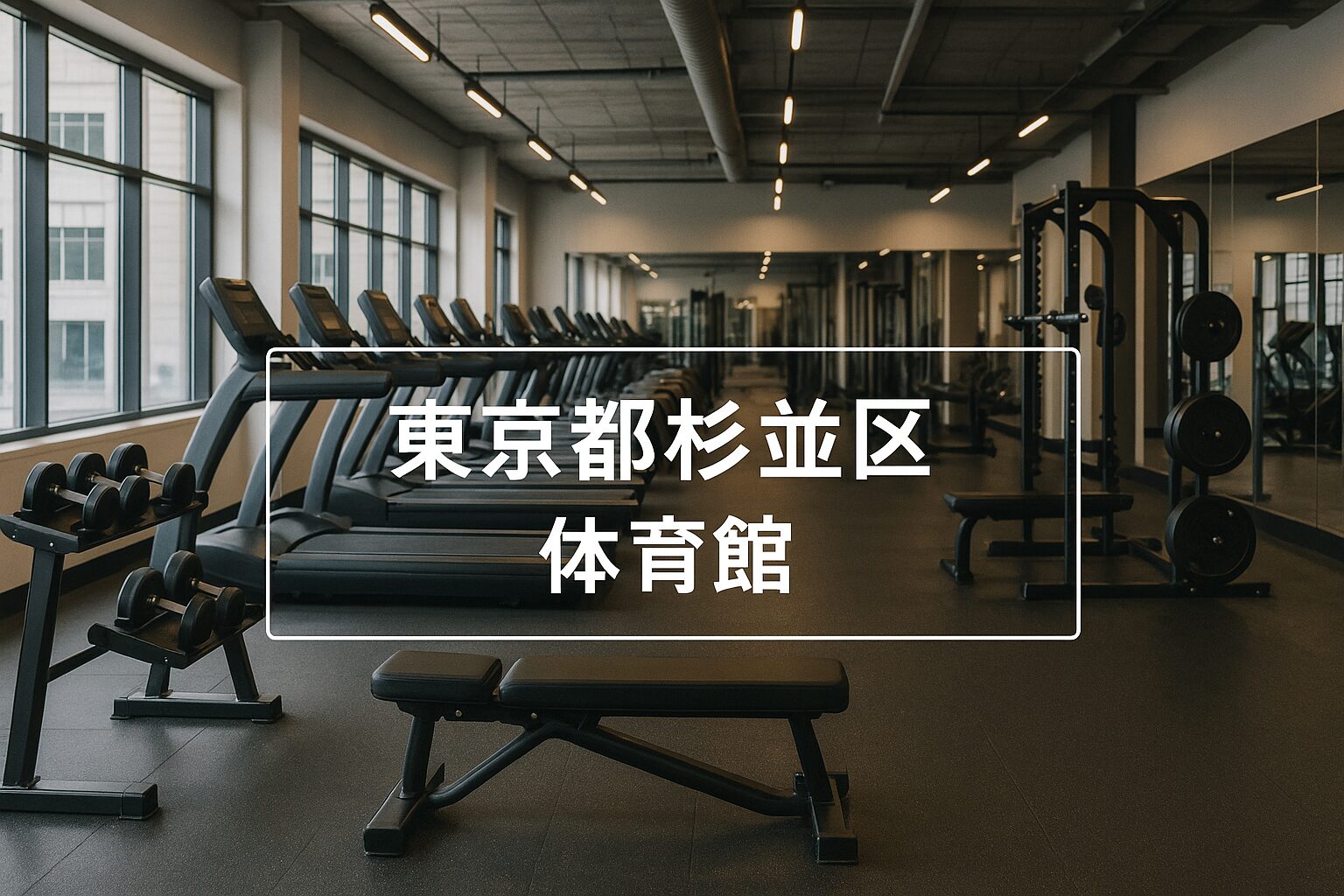
Staying in Japan for a while? Besides work, incorporating sports and recreation into your routine can greatly enrich your life in Tokyo. In Suginami Ward, there are many public sports facilities (gyms, sports centers, pools) run by the local government that are affordable and accessible to everyone, including foreign residents. You can enjoy activities like gym workouts, swimming, basketball, badminton, table tennis, volleyball and more, often for just a few hundred yen. In this article, we introduce five recommended ward-run sports facilities in Suginami that are easy for foreigners to use. Whether you’re in Tokyo for a few months or a few years, these places will help you stay fit, have fun, and maybe even meet local people!
1. TAC Suginami Kamiigusa Sports Center
Located in the western part of Suginami, Kamiigusa Sports Center is a large multi-purpose sports complex managed by Tokyo Athletic Club (TAC). It boasts extensive facilities: a spacious gymnasium, an indoor swimming pool, a fully-equipped training gym, and even outdoor tennis courts and an archery range. This comprehensive center allows you to enjoy a wide range of sports in one place, making it very convenient for foreign users as well. From beginners to experienced athletes, everyone can find something here.
- Location & Access: 3-34-1 Kamiigusa, Suginami-ku, Tokyo. A 5-minute walk from Kamiigusa Station (Seibu Shinjuku Line). Also reachable by bus from Asagaya or Ogikubo Station. Parking available (52 underground paid spots) for those with cars or bicycles.
- Hours: Open 9:00–21:00. (Note: The training room stays open later — until 22:20 Mon–Sat, and until 20:50 on Sun/holidays.) Closed on 3rd Thursdays of each month and during New Year holidays (Dec 29–Jan 3).
- Facilities: A large arena gymnasium over 1,000 m² (accommodates 1 basketball court, 2 volleyball courts, 6 badminton courts, or many tables for table tennis), a smaller gym hall (for martial arts or paddle tennis), a 250 m² weight training room, a 25-meter indoor heated pool (6 lanes), an archery range (kyudojo), two outdoor tennis courts (artificial grass), a kids’ play area for toddlers, and meeting rooms. A variety of sports classes and programs are offered as well (mostly in Japanese). This center truly has it all, from team sports to individual workouts.
- Fees: Very affordable. General use of the gym (arena or small gym) costs ¥200 per adult for 2 hours (children ¥100). The training room is ¥500 per use (unlimited time; restricted to ages 15+ only, middle schoolers not allowed). Pool use is ¥250 per adult per hour (children ¥130/hour), with the option to extend time for an additional ¥130 (adult) or ¥70 (child) per 30 minutes. Prepaid cards (multi-use tickets) are available for convenience at a slight discount. Seniors (65+ living in Suginami) during weekday mornings and registered persons with disabilities receive discounts (usually 50% off).
- Official Website: http://www.suginami-ttm.com/ (Japanese)
2. Oomiyamae Gymnasium
Oomiyamae Gymnasium is a public sports center in Minami-Ogikubo, Suginami, and is one of the ward’s facilities that include a heated indoor pool. Operated by Konami Sports as a designated manager, it features a bright, clean arena and a good selection of equipment. Its location near Ogikubo makes it convenient for an after-work workout or weekend exercise. This gymnasium offers a friendly environment for individuals and community sports groups alike.
- Location & Access: 2-1-1 Minami-Ogikubo, Suginami-ku, Tokyo. About a 15-minute walk from Ogikubo Station (JR Chuo Line / Tokyo Metro Marunouchi Line). Alternatively, take a Kanto bus (荻60 route) from Ogikubo Station’s south exit to the stop “Oomiyamae Taiikukan” right in front of the gym. No parking on site, so it’s best to come by train, bus, bicycle or on foot.
- Hours: Open 9:00–21:00 daily. Closed on 3rd Tuesdays of each month (if a holiday, closed the next day instead), and year-end/New Year holidays (Dec 28–Jan 4).
- Facilities: A main gymnasium hall (~836 m²) for sports like badminton (4 courts), basketball, volleyball and table tennis (up to 16 tables), a small gymnasium room (~138 m², e.g. for table tennis or exercises), a martial arts dojo (~153 m² with mats for judo, karate, etc.), a 269 m² fitness training room with machines and weights, meeting/multi-purpose rooms (around 20 people each), a 25-meter indoor pool (3 swimming lanes plus a walking/exercise lane, shallow kiddie pool and jacuzzi), as well as a kids’ play room, stretching area, and even a small rooftop exercise space. It’s a full-featured sports center ideal for both cardio and strength training, plus aquatic exercise.
- Fees: General use fees are standardized: ¥200 per adult (¥100 per child) for 2 hours of gym or dojo use. The training room is ¥500 per session (unlimited time on that day; ages 15 and up only). Pool use costs ¥250 per adult per hour (children ¥130/hour); if you stay longer, an extra ¥130 (adult) or ¥70 (child) is charged per 30 minutes. (Tip: Suginami residents aged 65+ who enter before noon on weekdays, and users with disability certificates, pay half price.) Preschool children can enter free. These low fees make the facility very budget-friendly.
- Official Website: https://information.konamisportsclub.jp/trust/oomiyamae/ (Japanese)
3. TAC Suginami Eifuku Gymnasium
Eifuku Gymnasium is a modern sports facility in Eifuku, Suginami, newly re-opened in September 2018 after relocation and renovation. It’s designed to meet diverse sports needs with improved accessibility and equipment. Notably, it features an indoor sand “beach court” – a rarity in Tokyo – where you can play beach volleyball or beach soccer year-round. There’s also a café corner inside. Although it doesn’t have a swimming pool, its unique offerings and contemporary design make it very appealing. The facility is managed by TAC (Tokyo Athletic Club) like Kamiigusa.
- Location & Access: 1-7-6 Eifuku, Suginami-ku, Tokyo. An 8-minute walk from Shimotakaido Station (Keio Line) or 10 minutes from Eifukucho Station (Keio Inokashira Line). Located in a quiet neighborhood near Eifuku elementary school. No on-site parking (except a spot for disabled users), so use public transport or bike.
- Hours: Open 9:00–21:00. Closed on 2nd Wednesdays each month, and Dec 28–Jan 4.
- Facilities: A 768 m² main gymnasium (1 basketball or futsal court, 4 badminton courts, etc.), two smaller exercise studios (for aerobics, dance, table tennis, etc.), a 958 m² indoor beach sports court filled with white sand (2 beach volleyball courts or 1 beach soccer field), a 176 m² weight training room with modern machines, two meeting rooms (around 40 people each), locker rooms with showers, and even a small café/lounge area to relax. The gym’s barrier-free design includes elevators, accessible restrooms (with ostomate support), and baby-friendly facilities. Various sports events and classes (like TRX training, Pilates, beach sports workshops) are hosted here, which might be fun to join.
- Fees: For individual use, the rates are the same as other ward gyms: ¥200/2 hours for adults (¥100 for children) for the gym or beach court sessions; ¥500 per use of the training room (ages 15+ only). Since there is no pool at Eifuku Gym, you don’t need swim attire, but if you plan to use the beach court, be prepared to get sandy (barefoot play is common for beach sports). Ward-issued prepaid cards can be used here as well for convenience.
- Official Website: https://www.eifuku-sports.com/ (Japanese)
4. Koenji “Minna no Taiikukan” (Everyone’s Gymnasium)
As the name suggests, Koenji Minna no Taiikukan is a community gymnasium designed to be welcoming to “everyone,” locals and foreigners alike. It is located in the lively Koenji area and, though smaller than other sports centers, it offers a friendly, neighborhood atmosphere. Many local clubs and circles use this gym, so it can be a great place to get involved in community activities. The facility is simple (no pool or fancy gym machines) but provides enough space for basic sports and exercise.
- Location & Access: 2-36-31 Koenji-Minami, Suginami-ku, Tokyo. A quick 5-minute walk from Higashi-Koenji Station (Tokyo Metro Marunouchi Line). You can also reach it by bus: from Asagaya Station, take the Toei/Keio bus (Route 渋66 toward Shibuya) and get off at “Suginami-Shako Mae” bus stop, then walk 5 minutes. No dedicated parking is available.
- Hours: Open 9:00–21:00. Closed during New Year holidays (generally December 29 to January 3). On the last day of the year and first day after New Year (Dec 28 and Jan 4), it operates on a shorter schedule (9:00–17:00). Occasional maintenance closures may occur, so check notices.
- Facilities: A 697 m² main gymnasium (supports up to 1 basketball or futsal court, 4 badminton courts, etc.), plus a 98 m² small exercise room (used for aerobics, yoga, dance, martial arts practice, etc.). There is no swimming pool or weight training room here, but you can do lots of indoor sports in the gym. It’s ideal for casual games of basketball, volleyball, table tennis, or badminton. Equipment like nets and posts can be set up by the staff. The facility also hosts community fitness classes, dance workshops, and events for all ages (often advertised as “みんなの” classes, meaning “for everyone”).
- Fees: For open gym use, it’s just ¥200 per adult (¥100 per child) for a 2-hour session. This allows you access to the court space for whatever sport is scheduled during that slot (e.g., free play basketball or mixed badminton time). If you have a disability ID and live/work/study in Suginami, you pay half price. (There is no separate fee for any training room since none is on site.)
- Official Website: https://information.konamisportsclub.jp/trust/koenji/ (Japanese)
5. Ogikubo Gymnasium
Ogikubo Gymnasium is a convenient public gym located just a few minutes’ walk from the busy Ogikubo Station, making it a great choice for those living around central Suginami. While it doesn’t have a pool or a dedicated fitness gym, it offers a standard sports hall and a large martial arts dojo, attracting local judo, kendo, and karate clubs. Foreign residents interested in Japanese martial arts might find opportunities here. For general users, it’s a solid venue for indoor sports like badminton, ping pong, or just getting some exercise without traveling far.
- Location & Access: 3-47-2 Ogikubo, Suginami-ku, Tokyo. About a 7-minute walk from the south exit of Ogikubo Station (JR Chuo Line / Marunouchi Line). The facility is adjacent to Ogikubo Elementary School and Suginami Koukaido hall. No private parking is available (aside from a handicap-access space), so use public transport or bike.
- Hours: Open 9:00–21:00. Closed on 3rd Wednesdays each month (if that’s a holiday, closed next day instead), and closed Dec 29–Jan 3 for New Year holidays (open on a limited schedule on Dec 28 and Jan 4 until 17:00).
- Facilities: A 778 m² main gymnasium (enough for 4 badminton courts, up to 16 table tennis setups, or one futsal court; also used for basketball/volleyball practice), a 106 m² small gym room (used for activities like dance, junior sports, or a couple of ping pong tables), a martial arts hall (dojo) of about 293 m² with tatami mats (approx 143 tatami size) which can also be half wooden floored – suitable for judo, kendo, iai, etc. Additionally, there are two meeting rooms (one holds 45 people, another 27, or combined ~90 people) often utilized for club meetings or small seminars. Ogikubo Gym is frequently used for events like local volleyball tournaments, table tennis meets, and martial arts examinations.
- Fees: The individual use fee is the standard ¥200 per adult (¥100 per child) for a 2-hour session in the gym or dojo. Spectators or guardians typically don’t pay if they’re just watching. Suginami residents with disability identification (or groups of such users) receive a 50% discount upon showing the ID. If you’re 65+ and live in Suginami, you also qualify for reduced fees during certain hours.
- Official Website: https://information.konamisportsclub.jp/trust/ogikubo/ (Japanese)
How to Use These Facilities & What to Expect
● Drop-in General Use: All the above facilities offer “general use” time slots where individuals can drop in without any reservation. Each gymnasium and pool has a schedule of open hours for specific activities. For example, there might be open badminton on Tuesday 6–8pm, or general basketball shoot-around on Saturday afternoon, etc., during which anyone can join on a first-come basis. Check the facility’s website or the monthly schedule (usually posted online and at the gym) for these time slots. To use the facility, simply go to the reception desk, indicate which sport or area you want to use, pay the small fee, and register your name if required. The staff will let you know where to go (even if you don’t speak much Japanese, you can show the sport name or point, and they’ll guide you). No membership is needed for general use — you can just walk in. This makes it very foreigner-friendly: you can try out different sports spontaneously. Keep in mind that if it’s a popular time (e.g., weekend badminton), there may be many users, so you might have to rotate playing time or wait a bit for your turn, but everyone typically cooperates kindly.
● Reservations for Private Use: If you have a group and want to book a whole court or room in advance (for a private game or practice), Suginami Ward uses a system called “Sazanka Net” for public facility reservations. To use it, you must first register as a user. Registration is done in person at a ward sports facility office or local community center; bring a photo ID (passport, residence card, etc.) and fill out a form. (Online registration is not available – you must register face-to-face so they can verify your identity. You do not necessarily need to be a Suginami resident to register; non-residents can use the facilities too.) Once registered, you’ll receive a user number/card that allows you to enter lotteries and make bookings via the online system or automated phone line. The system and its website are mostly in Japanese, so if you cannot navigate it, you have a couple of options: ask a Japanese-speaking friend to help, or consult the staff at the facility – they might assist you in making a reservation on the spot if there’s availability. Reservations are generally for 2-hour blocks and can be made for gymnasiums (whole or half court, etc.), martial arts halls, tennis courts, etc. Note that for popular slots, there might be a lottery in advance. Also, payment for reserved bookings is typically done at the facility on the day of use. For most foreigners staying mid-term, using the open general use times (which don’t require advance booking) is simpler, but it’s good to know the reservation option exists if you get involved in a team or want to secure a court for an event.
● On-site Facilities & What to Bring: Each sports center has locker rooms with showers and lockers for personal items. The lockers usually require a ¥100 coin which is refunded when you retrieve your items. It’s a good idea to bring your own towel (for showering or wiping sweat) and indoor athletic shoes (see more on that below). In pools, bring a swimsuit, towel, and swim cap. If you plan to use the training gym, normal workout attire and sneakers are fine. Some places might lend basic equipment (for example, you might borrow a basketball or ping pong paddles at the front desk, sometimes for free or a small fee, by handing over your ID temporarily). However, it’s best to bring your own equipment if you have it (rackets, balls, etc.), especially if you prefer a certain type. Vending machines for drinks are usually available in the lobby, and some facilities like Eifuku have a café.
● Important Etiquette & Tips: Japanese public sports facilities have some rules and customs. Here are key points to ensure a smooth experience:
- Wear Indoor Shoes: To keep the floors clean, outdoor shoes are not allowed on the courts or in training rooms. Carry a pair of clean sneakers or athletic shoes in your bag to change into. (Many people also bring an extra bag for their outdoor shoes.) This rule is strictly enforced – if you only have your outdoor shoes, you won’t be permitted to use the gym area.
- Use a Swim Cap in Pools: All swimmers must wear a swimming cap in public pools in Japan. This is to prevent hair from getting in the water and clogging filters. Don’t worry, it’s normal – even bald people or those with shaved heads often wear caps out of habit! If you forget one, some pools sell cheap swim caps at reception or might have a rental, but it’s better to bring your own.
- Cover Tattoos: Tattoos can be a sensitive issue in Japan. While these ward facilities do not ban people with tattoos outright, visible tattoos in the pool or shower areas are strongly discouraged. If you have any prominent tattoos, it’s polite (and often required by the facility rules) to cover them with a rash guard, swim sleeves, bandage, or sports tape. This is to avoid alarming other users, especially older Japanese who associate tattoos with gang culture. Small tattoos can be covered with waterproof bandaids. In gym areas, if your tattoo is visible but not offensive, usually it’s less of an issue than in pools, but when in doubt, cover it.
- No Photography or Video: For privacy reasons, you are not allowed to take photos or videos inside the sports facilities (this includes selfies). This rule is posted to protect the privacy of other users, especially in pools and locker rooms. Always ask staff permission if you want a photo when the area is empty. Also, refrain from phone calls or loud phone use in the training or playing areas.
- Food and Drink: Eating is not permitted in the gymnasium or pool area. If you need a snack, use the lobby or designated rest area. Drinking water or sports drinks is okay to prevent dehydration, but make sure your bottle has a secure lid and avoid glass bottles. Many places have water fountains to refill bottles. After drinking, keep your bottle in your bag or off the playing floor to avoid spills. And of course, no alcohol on the premises.
- Children: Young children must be supervised. Specifically, elementary school 3rd grade and below cannot use the pool unless accompanied in the water by an adult (16 or older, up to 3 children per adult). Similarly, small kids shouldn’t be left alone in the gym halls. If you’re a parent, keep your kids within reach for safety. Some facilities have specific “kids time” or family sessions – check the schedule.
- Respect Others & Share: During busy general use sessions, you may have to share courts or take turns. Japanese users typically form a rotation so everyone gets play time (for example, in badminton, you might play one game and then yield the court to those waiting). Be attentive to whose turn is next. If you’re unsure, politely ask “Tsumari, tsugi desu ka?” (Basically, “Am I next?”) or use gestures; locals will help include you. Also, avoid overly aggressive play if people of mixed skill are around – the atmosphere is usually casual and cooperative.
- Clean Up Equipment: If you use any provided equipment (e.g., borrowed balls, training machines, mats), return them to their place after use. In the weight training room, re-rack weights and wipe down machines or benches with the provided cloth or paper towels. This is good etiquette and expected behavior.
- Dress Code: Wear appropriate sports attire. For the pool, swimwear (no regular clothing in the water). For gyms, wear a shirt (going shirtless is not common inside gyms here, except perhaps in the shower). Wear athletic pants or shorts (jeans or casual street clothes are not suitable on the court). And of course, proper indoor shoes as mentioned.
- Follow Staff Instructions: Even if you don’t understand Japanese, pay attention to staff announcements or signals (for example, a whistle or bell may signal the end of a session). If a staff member speaks to you, they might be reminding you of a rule (like to change shoes or not to do something unsafe). In general, Japanese staff are polite and will often use gestures if language is a barrier.
- Ask for Help: Don’t hesitate to approach the reception desk if you have questions. Though not all staff speak English, they are used to helping users. You can show what you want with gestures or translation apps. Many facilities might have an English leaflet or at least a simple English schedule available. Suginami Ward also provides a “Living Guide” in multiple languages that covers basic facility usage, so you’re certainly not the first foreigner they’ve encountered.
By following these guidelines, you’ll fit right in and have a great experience using Suginami’s public sports centers. The ward-run facilities are a fantastic resource for staying active without spending a lot of money. Beyond just exercise, they offer a chance to engage with the local community. You might join a pickup basketball game, rally with some neighbors in badminton, or just exchange smiles and nods with regulars – these interactions can make your stay in Japan more memorable.
In summary, whether you want to lift weights, swim laps, play team sports, or practice yoga, Suginami’s gyms have something for you. Check out the five facilities we highlighted, or even explore others (there are a couple more public pools in Suginami too). Keeping a healthy, active lifestyle while in Japan will not only improve your well-being but also help you experience Japanese culture from a new angle. So grab your indoor shoes, and head to the nearest ward sports center – a fun, budget-friendly workout awaits!