 By How to Live in JAPAN 編集部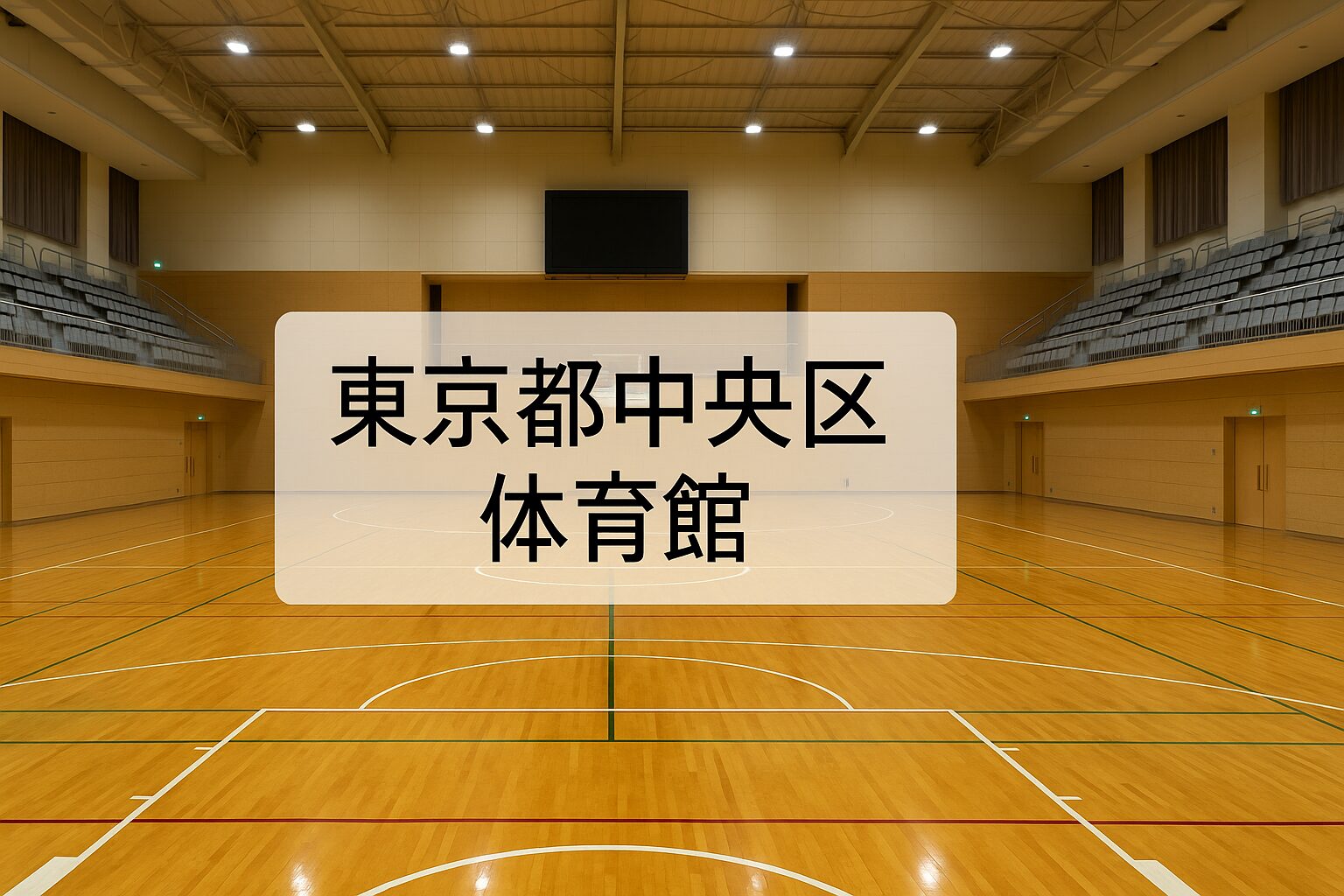
Staying fit and active is a great way to enrich your life while living in Japan. In Tokyo’s Chuo Ward, there are many public gymnasiums and sports centers operated by the ward that residents (including foreigners) can use at very affordable prices. From swimming and gym workouts to basketball, badminton, and table tennis, these facilities support a variety of activities. In this article, we introduce five ward-run sports facilities in Chuo City that are convenient and welcoming for foreign residents. Each facility offers quality equipment and an accessible environment, making it easy for you to maintain an active lifestyle and even meet local people through sports. Let’s take a look!
1. Chuo City Comprehensive Sports Center (Hamacho)
The Chuo City Comprehensive Sports Center is the flagship sports facility of the ward, located in Hamacho Park. It’s a large, all-in-one complex with a 25-meter heated indoor pool, a fully equipped training gym, multi-purpose arenas for basketball, volleyball or badminton, martial arts rooms, archery ranges, and even a golf practice range. This center opens early in the morning, making it convenient for a before-work swim or workout. The fees are very reasonable – especially for Chuo Ward residents, who get discounted rates. While most signage and staff communication are in Japanese, the procedures (buying a ticket, using lockers, etc.) are straightforward, so foreign users can navigate the facility without much trouble. It’s a popular spot for locals to exercise, and you might even see other expats around.
- Location & Access: 2-59-1 Nihonbashi-Hamacho, Chuo-ku (inside Hamacho Park). Nearest station: Hamacho Station (Toei Shinjuku Line) – 2 min walk from A2 exit. Also 8–10 min walk from Ningyocho Station (Hibiya/Asakusa lines) or Suitengumae Station (Hanzomon Line).
- Official Website: https://www.chuo-sports.jp/
- Facilities: Training gym (weight machines and cardio equipment), 25m x 6-lane heated swimming pool, athletic arena (for badminton, basketball, table tennis, etc.), martial arts dojo, table tennis room, air rifle range, kyudo (Japanese archery) range, golf driving cages, meeting rooms, showers and locker rooms.
- Hours: Open daily 7:00–21:30 for the gym, pool & golf range; 9:00–21:30 for other facilities. Last entry is 20:30 and pool users must exit the water by 21:10.
- Closed: Every 3rd Monday of the month (if Monday is a holiday, closed Tuesday instead), and New Year holidays (Dec 28–Jan 4).
- Fees (General Public): Pool – ¥500 per 2 hours (¥250 for 1-hour early-morning entry before 9:00); Gym (Training Room) – ¥400 per 2 hours; Sports Arena (court use) – around ¥300 per person per session (morning/afternoon/evening block). Discounts: Chuo Ward residents can get a Ward User Card for free, which reduces adult fees (e.g. pool ¥350/2h, gym ¥350/2h). Children of junior high age and below pay ¥250 for pool (free if ward resident), and ward residents who are seniors (65+) or have disabilities can use facilities free of charge (ID required).
- Tips: When you first visit, bring proof of your Chuo Ward address (residence card, etc.) to register for the Ward User Card. The staff will issue it on the spot, allowing you to receive resident discounts from that point on. Most equipment has Japanese labels, but machines are standard; don’t hesitate to ask staff or even fellow users if you need help. Swimming caps are mandatory in the pool (bring your own). There is a small paid parking lot, but public transport is recommended.
2. Tsukishima Sports Plaza
Tsukishima Sports Plaza is another excellent ward-operated facility, conveniently located right next to Tsukishima Station. In fact, it’s only a 1-minute walk from the station’s exit, making it extremely easy to access. The Sports Plaza features a 25m indoor heated pool and two martial arts halls. The pool is open year-round and operates on a 2-hour use system (with the option to extend in 1-hour increments if you wish to swim longer). While it doesn’t have a weight training gym, the martial arts arenas host activities like judo, kendo, or karate, and sometimes other indoor sports events. If you live or work in Chuo Ward, it’s a great idea to get your user registration here as well – Tsukishima Sports Plaza issues the same Ward User Card that can be used at the Comprehensive Sports Center and ward pools for discounts. The facility is modern and clean, and even without Japanese language skills, foreigners can use the pool easily by following the posted rules.
- Location & Access: 1-9-2 Tsukishima, Chuo-ku. Adjacent to Tsukishima Station (Tokyo Metro Yurakucho Line / Toei Oedo Line) – about 1 minute from Exit 7.
- Official Website: https://www.chuo-sports.jp/tsukishima/
- Facilities: Heated indoor pool (25m x 5 lanes), 2 martial arts halls (dojos with tatami mats or wood flooring), meeting/multipurpose room, locker rooms and showers.
- Hours: Pool open 7:00–21:30 (last entry ~20:40). Martial arts halls and other rooms open 9:00–21:30 (closing at same time). Note: The pool may have specific hours for general use if classes or school swim hours are scheduled, so checking the timetable is recommended.
- Closed: New Year holidays (Dec 28–Jan 4). No weekly closed day, but there are occasional maintenance closures (announced in advance).
- Fees: Pool: ¥500 for 2 hours (extendable at ¥250 per extra hour). Ward residents with a card pay ¥350/2h (¥180 for early 1h entry before 9:00, ¥170 per extra hour). Junior high students and younger: ¥250/2h (ward resident children are free). Spectators (if just watching kids’ swim practice, etc.) might be charged a small fee as well. Martial arts hall: If participating in a class or club, fees vary (for personal practice, halls are usually reserved by groups).
- User Registration: Same as the Sports Center – you can create a Ward User Card on your first visit by showing ID with your local address. This is especially worthwhile if you’ll use the pool frequently.
- Other Notes: There is no gym, so if you want weight training, use the Comprehensive Sports Center. However, Tsukishima Sports Plaza’s pool tends to be less crowded in the early afternoons than the Hamacho pool. Bring a swim cap (required for all swimmers). If you have tattoos, cover them with a rash guard or waterproof bandage to comply with rules. The front desk may have limited English ability, but basic words like “pool”, “ticket” and showing a time with your fingers (e.g., 2 hours) will get you through the entry process smoothly.
3. Tsukiji Social Education Center (Sports Facilities)
The Tsukiji Social Education Center is a community center in Tsukiji that also offers sports facilities to the public. It may not be as large as a dedicated sports center, but it’s equipped with a table tennis room, a training (fitness) room, and an indoor gymnasium on the upper floor. For those living or working around Tsukiji, this is a handy place to drop by for a quick workout or a game of ping-pong. The best part is the price: it costs only ¥250 per session for an adult to use the training room or table tennis room, making it one of the most affordable options in the area. The indoor gym (arena) can be used for basketball, volleyball, badminton, etc., but it is typically available only to registered groups or during certain open programs, not for casual individual drop-in play. Foreigners can definitely use the Tsukiji center — just note that you should bring your own indoor shoes and, if you plan to use the training room, you might need to go when staff are present for an initial orientation on using the machines.
- Location & Access: 4-15-1 Tsukiji, Chuo-ku. About 5 minutes’ walk from Tsukiji Shijo Station (Toei Oedo Line) exit A1, or 5 minutes from Higashi-Ginza Station (Tokyo Metro Hibiya/Toei Asakusa Line) exit 6. It’s also a 1-minute walk from the “Tsukiji Social Education Center” stop on the Chuo Ward community bus (which runs on weekends).
- Official Website: (Management site) https://chuo-shakyo.shopro.co.jp/tsukiji (Japanese; includes facility details and usage guides)
- Facilities: Table tennis room (with several ping-pong tables), training gym room (basic weight and cardio machines), indoor sports hall (can accommodate volleyball, basketball, etc.), shower/changing room, and other cultural rooms (music room, cooking room, etc. not related to sports).
- Hours: Split into three time slots – Morning 9:00–12:00, Afternoon 13:00–17:00, Evening 18:00–21:00. If no prior booking, the evening slot can sometimes be extended to 22:00. The training and table tennis rooms are generally available during all these slots for individual users.
- Closed: Year-end/New Year holidays (Dec 29–Jan 3). Occasionally closed for maintenance or if the building is used for emergency shelter or elections (notice given in advance).
- Usage Fees: Training Room or Table Tennis (Individual use): ¥250 per person per session (one time slot). This flat fee allows use of the facility for the whole session. Note: No special resident discount on this fee – it’s the same for everyone and already quite low. Indoor Gymnasium (Hall): Fees vary by usage; for example, renting the whole hall might cost around ¥2,000–4,000 per slot depending on weekday or weekend. (Individual visitors cannot randomly use the hall unless joining a group or event.)
- How to Use: No reservation needed for the training or table tennis rooms – just show up and buy a ticket at the front desk for ¥250. If it’s your first time, tell the staff “first time use” and they will ask you to sign a log and might check if you need any guidance. For the training room, it’s recommended (and in some cases required) that your first visit be when a training instructor is on duty (the center can inform you of those times, usually at least once a week), so they can show you how to safely use the machines. For table tennis, bring your own racket and balls (the center might have some to lend, but it’s not guaranteed). The gymnasium hall requires prior group registration with the ward and booking through the ward’s reservation system or lotteries, which is a more complex process (often done in Japanese).
- Important Rules: Bring a pair of indoor-only athletic shoes (the center strictly enforces changing into indoor shoes to protect the floors). Eating and drinking (except water) is not allowed in the sports areas. The staff might not speak much English, but they are used to local residents coming in, so a friendly approach and perhaps using simple words or translation apps will help. The front desk phone number (03-3542-4801) can be used for inquiries (in Japanese) about schedules or instructor availability.
4. Nihonbashi Elementary School Heated Pool
Did you know that some Japanese public school pools are open to the community? In Chuo Ward, the Nihonbashi Elementary School Heated Pool is one such pool that residents can use during designated hours. This is an indoor 25m pool within the Nihonbashi Elementary School complex, but it’s open to the public in the evenings on weekdays and all day on weekends. It has six lanes and a movable floor (usually set around 1.1m depth) which makes it friendly for swimmers of different levels. There’s also a shallow kiddie pool (about 0.65m deep) for young children. The facility provides locker rooms, showers, and a warming room, just like a standard community pool. If you’re a foreigner living in the Ningyocho or Nihonbashi area, this pool is a fantastic and budget-friendly option for regular swimming.
- Location & Access: 1-1-17 Nihonbashi Ningyocho, Chuo-ku (in the Nihonbashi Elementary School B2F). A 4-minute walk from Ningyocho Station (Tokyo Metro Hibiya Line or Toei Asakusa Line).
- Official Info: Check “School Heated Pools” on Chuo City’s official website for details (information is available in Japanese; the ward also sometimes issues multilingual guides or you can inquire at the ward office).
- Facilities: 25m x 12m indoor heated pool with 6 lanes (depth adjustable, usually ~1.0–1.2m), small kids’ pool, locker/changing rooms, individual shower stalls, and a small warm rest area. Lifeguards are on duty during public use hours.
- Public Swim Hours: Weekdays (Mon–Fri) 18:00–21:00; Saturdays 13:00–21:00; Sundays & Holidays 9:00–21:00. Note: Final entry is at 20:20 and swimming ends by 20:40 (20 minutes to shower and change before closing at 21:00).
- Closed: During school hours (morning/afternoon on weekdays), and closed to the public over New Year holidays (Dec 28–Jan 4). Also closed for maintenance when the pool is drained or for school events (these dates are announced in advance on the website or local bulletin).
- Fees: Adults (non-resident): ¥500 per 2 hours (extension ¥250 per hour). Adults (Chuo Ward resident with card): ¥350 per 2 hours (extension ¥170/hour). Children (up to junior high): ¥250 per 2 hours (extension ¥120/hour). Free: Ward resident children (through junior high) and ward resident seniors 65+ or those with disabilities can swim for free (present the respective free-use pass which can be obtained by registration).
- Usage Notes: No reservation required – simply go during open hours and purchase a ticket from the machine at the pool entrance (or the reception desk). If it’s your first time, you might need to sign a log book at the desk. Swim caps are mandatory for all swimmers (bring your own, as rentals might not be available). As this is a school facility, no food or drink is allowed inside (except water), and obviously no smoking. If you have tattoos, ensure they are fully covered by a rash guard or waterproof cover — exposed tattoos are generally not permitted in public pools to avoid upsetting other swimmers (this is a common rule in Japan). Children younger than 3 who are not potty-trained are not allowed in the pool. Also, elementary 3rd grade kids and below must be accompanied in the water by an adult (one adult per 2 small children).
- Changing & Amenities: The changing rooms are basic but functional (often without soap or shampoo provided, so bring your own toiletries if you plan to shower). There may be coin lockers for valuables (usually a refundable ¥100 coin). Remember to take off your shoes at the entrance of the pool area — in many school-based pools, you’ll swap outdoor shoes for indoor slippers at the locker room entrance.
- Language Help: Signage will mostly be in Japanese, but the rules (caps on, no diving, etc.) are illustrated with pictograms. Staff might not speak English, but pool routines are generally universal. If you need help, try simple words like “toire?” (toilet) or “rentaル?” (to inquire about rental items), or have a Japanese friend write down any important question to show the staff.
5. Community Use of School Gymnasiums (Open Gym Program)
In Chuo Ward, many school sports facilities (gymnasiums and school yards) are made available to the public through an open-use system, which is great news for sports enthusiasts. This means you can play sports like volleyball, basketball, or badminton in local school gyms either by reserving as a group or by joining free play sessions organized by the ward. There are two main ways to access school gyms:
- Group Reservations: If you have a group (say, coworkers or friends) and want to use a gym or tennis court, you can register as a user group with the ward and book these facilities during designated hours. After registering (which requires a representative who can communicate in Japanese for the paperwork), you use the ward’s online reservation system (Japanese-only) or attend lottery meetings to reserve slots. This is more suitable for those who plan to regularly organize games or practices.
- “Sports Hiroba” Open Program: For individuals or small numbers who just want to drop in and play, Chuo Ward runs Sports Hiroba, which are basically community open gym times with different sports scheduled on specific days. These sessions are free of charge and do not require a reservation – you can just show up alone and join others in sports activities under the guidance of a supervisor (coach). It’s an excellent option for foreigners looking to meet people and play casually without needing to form a full team or navigate a reservation system.
What sports can you play? The offerings may change by year, but typically:
- Badminton – e.g. Wednesday evenings at a junior high gym (such as Nihonbashi Middle School) or Thursday at Harumi Middle School.
- Basketball – e.g. Thursday 18:30–21:00 at Ginza Middle School gym (except when under renovation).
- Volleyball – e.g. Thursday nights at Tsukishima No.2 Elementary gym.
- Soft volleyball & Mini-tennis (racket tennis) – e.g. Tuesday or Friday evenings at various gyms.
- Table Tennis – e.g. Thursday evenings at a facility like “Kyowa Square” (a gym in a local school or community center).
- Kin-Ball, etc. – sometimes offered on weekends or as special events.
These sessions usually run for about 2 to 3 hours in the evening (often starting around 6:30pm). Schedules are published on the ward’s website and in the city newsletter. Note: Participants must be 15 or older and either live, work, or study in Chuo Ward (junior high students and younger are not allowed in regular sessions for adults).
- How to join (Sports Hiroba): Simply go to the designated venue at the start time. On your first visit, you’ll fill out a simple registration form at the reception (your name, address, etc.) and receive a participant card. From then on, bring that card each time. You’ll show it at the desk and write your name on the sign-in sheet. A sports instructor or staff member will be present to facilitate the session (they might organize matches or practice games). Don’t worry if you’re a beginner – the atmosphere is welcoming, and the instructor can explain rules (though mostly in Japanese, they will use gestures to help).
- Cost: Completely free for participants. The ward provides the facility and basic equipment (e.g. nets, some balls).
- Etiquette & Rules: As always, wear proper indoor athletic shoes and sports attire. For certain sports like basketball, the ward asks players to bring a yellow bib or jersey if you want to join full-court games (to distinguish teams). If you have your own racket (for badminton, etc.), you should bring it, though sometimes a few loaner rackets are available. Arrive on time for warm-ups and instructions. Even though it’s free, the sessions are intended for ward residents/workers; the staff might ask for proof of residency/employment on your first visit (though usually not strictly – showing a residence card or work ID with a Chuo Ward address is enough).
- Language aspect: The Sports Hiroba sessions will have primarily Japanese participants (including some English-speaking locals possibly). Even if you don’t speak Japanese, sports is a universal language! You can enjoy the game and simple phrases like “onegaishimasu” (let’s play together, said before a match) or “arigato” (thank you) go a long way. It’s a great chance to integrate and make local friends. The instructor will make announcements in Japanese (like when to switch teams or end of session), so just follow what others do.
- Group reservations of gyms: If you prefer to set up your own games with friends, you’ll need to register as a group via the Chuo City Public Facility Reservation System. This process is more involved and available mainly in Japanese. After registering, you can apply for gym time slots (usually 2 months in advance via a lottery, and any open slots can be booked first-come first-serve one month in advance). The fee for gym use is around ¥1,600 per slot (evenings) for an entire group, which is quite cheap if split among players. Note that someone in your group will need to handle communications in Japanese with the ward office for things like registration and any schedule changes.
In summary, the school gym open-use programs in Chuo Ward provide wonderful opportunities for foreign residents to stay active with sports like volleyball, basketball, and more without significant cost. Whether you join a free Sports Hiroba night to play casually and meet new people, or organize your own circle to reserve a gym periodically, you’ll find the facilities well-maintained and the community generally friendly. It’s an excellent way to engage with local culture through sports.
Tips for Using These Facilities (Reservations & Manners)
Finally, here are some general tips and etiquette points to ensure your experience using Chuo Ward’s sports facilities is smooth and enjoyable:
- Getting Started & Registration: For drop-in use of pools and gyms, you do not need to reserve in advance – just show up during open hours. If you’re a Chuo Ward resident, make sure to create a Ward Sports User Card (区民利用証) at the first facility you visit (bring an ID with your address). This card will give you discounted rates at the ward’s sports centers and pools, and free access if you’re eligible (e.g., children, seniors, persons with disabilities). The card can typically be used across multiple facilities in Chuo City. If you are not a resident, you can still use all facilities, just at the general rate. For structured activities or group reservations (like booking a court or joining classes), you might need to sign up either online or in person – details for each are usually on the official website or can be inquired at the facility.
- Reservations for Courts/Fields: If you plan to use a court (like an indoor basketball court or outdoor tennis court) privately with a group, note that advance reservation is required. Chuo City’s Public Facility Reservation System (available online, Japanese only) is used for booking. This often involves a lottery system for popular slots. If language is a barrier, consider asking a Japanese-speaking friend or colleague to help with the initial setup. Alternatively, you can visit or call the Sports Section at the ward office for guidance. For casual use, it might be easier to join the open programs (like Sports Hiroba or ward sports classes) instead of reserving a facility on your own.
- Bring Indoor Shoes & Proper Gear: All indoor sports facilities in Japan, including Chuo Ward’s, require changing into indoor-only shoes to keep floors clean. Pack a pair of sneakers that you use exclusively indoors. For pools, don’t forget a swim cap – it’s a strict rule in Japanese pools for hygiene. Also, having your own towel, water bottle, and padlock (some lockers may need your own lock or coin) will be handy. Most facilities do not rent sportswear or shoes, and equipment rental can be limited (for example, there might be a basketball or volleyball to borrow at a gym, but not much else), so try to bring what you need.
- Tattoos and Attire: If you have tattoos, be aware that while Chuo Ward’s policy doesn’t outright ban tattooed individuals, you are expected to cover your tattoos while using the facilities (especially pools). Wearing a rash guard, sleeves, or athletic tape over tattoos will prevent any issues or complaints. This is to avoid making other users uncomfortable, as tattoos are still sometimes associated with gang culture in Japan. Also, avoid extremely revealing attire – for instance, in pools, modest swimwear is required (no thong swimsuits, for example). In gyms, wear a shirt (going shirtless is not common in public gyms here) and clean athletic wear.
- Respect the Rules & Manners: Japanese public facilities place a strong emphasis on courtesy and cleanliness. Some key points:
- No outdoor shoes on indoor floors (worth repeating!).
- No eating or drinking in activity areas (if you need a snack or sports drink, do it in designated lounge areas or lobby; water is usually OK to bring in a plastic bottle).
- No smoking or alcohol: These are not allowed on site. If you’ve had a bit to drink, you should not use the pool or gym for safety reasons.
- Clean up after yourself: If you used any equipment, return it to its place. Wipe down machines in the gym after use if there are sprays/paper towels available. Take all your trash with you (Japan has a carry-in carry-out policy in many public spaces).
- Time management: Adhere to time limits (lifeguards or staff will whistle or announce when pool time is up or when the gym is closing). Also, if you booked a court, you must finish and exit on time for the next group.
- Photography: Avoid taking photos in locker rooms or of people you don’t know. Privacy is important.
- Noise: Enjoy sports enthusiastically, but avoid excessive shouting or loud conduct that might disturb others, especially in multi-use facilities.
- Language and Communication: While staff may not be fluent in your language, they are generally helpful. Using simple English words or even a translation app on your phone can bridge the gap. You’ll find many signs have English or at least icons. If an emergency or something unusual happens and you need assistance, you can call the ward’s multilingual consultation service or ask someone bilingual (there are often a few around in central Tokyo). Participating in local sports events can also improve your Japanese gradually, and locals will appreciate your effort to speak their language, no matter how basic. Don’t be afraid to say “よろしくお願いします” (yoroshiku onegaishimasu – roughly “let’s be good to each other”) with a smile when joining a group game; it’s an ice-breaker phrase in sports here.
By keeping these points in mind, you’ll integrate smoothly into the public sports scene in Chuo Ward. The ward’s facilities are a fantastic resource – they help you stay fit without breaking the bank and offer a chance to engage with the community. Whether you’re in Tokyo for a year or many years, taking advantage of these gyms, pools, and programs will add a healthy routine to your life and perhaps introduce you to new friends. So pack your gym bag and enjoy a active, recreation-rich lifestyle in Chuo City!