 By How to Live in JAPAN 編集部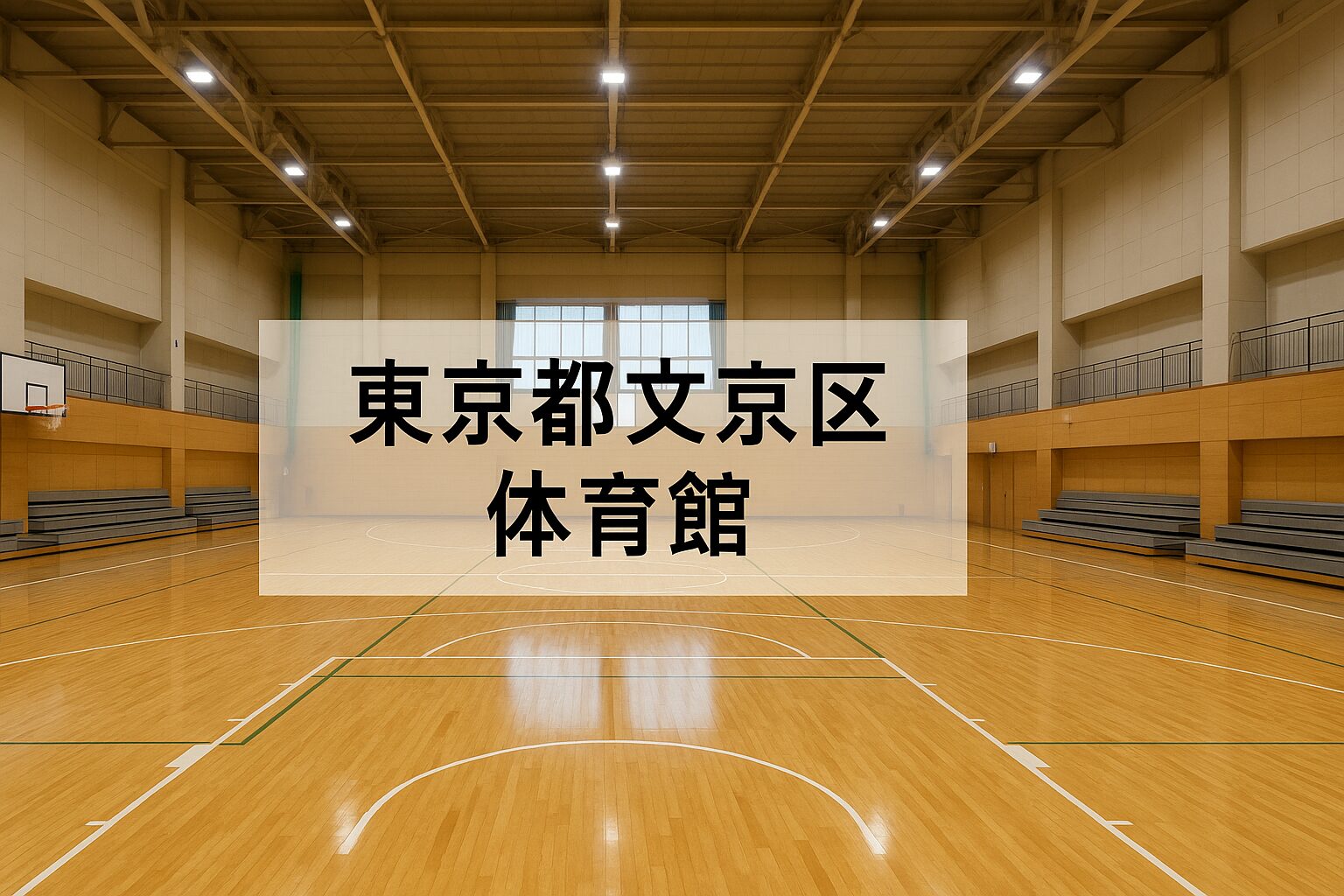
Bunkyo Ward in Tokyo offers a range of public sports facilities operated by the local government that are available to ward residents (including those who work or study in the ward). If you are a foreigner staying mid- to long-term in Japan, these facilities provide an excellent opportunity to engage in gym workouts, swimming, and sports like basketball, table tennis, badminton, volleyball, and more. They allow you to maintain an active lifestyle beyond just work or study. The usage fees are very affordable, and the facilities are well-equipped, making them a cost-effective alternative to private gyms. For example, at the Bunkyo Sports Center you can use the facility for around 310 yen per session, and monthly passes are available for regular users. While one might worry about language barriers and procedures in Japanese, these ward-operated sports centers are indeed open to foreign residents, and in practice many international students and expats use them comfortably. In this article, we will introduce five sports facilities in Bunkyo Ward that are particularly foreigner-friendly. For each facility, we’ll cover its location & access, official website, hours, fees, and how to use or book, as well as any relevant tips. We hope this helps you enrich your recreational life in Japan with some exercise and fun!
1. Bunkyo Sports Center
Bunkyo Sports Center (文京スポーツセンター) is a comprehensive public sports facility located in Otsuka, Bunkyo City. It features a main arena (gymnasium) suitable for sports like basketball or volleyball, a table tennis hall, two swimming pools (a 25-meter main pool and a smaller pool), a jacuzzi, multi-purpose rooms, a fully equipped training gym, as well as martial arts halls for judo and kendo, an archery range (kyudojo), and even meeting rooms. In short, it has everything you need – from courts for team sports to fitness machines and a pool – all under one roof. This makes it a top recommendation for foreign residents looking to stay fit. Many locals use it daily, and it’s equally welcoming for international users.
- Location & Access: The center is located at 3-29-2 Otsuka, Bunkyo-ku, just a 5-minute walk from Myogadani Station on the Tokyo Metro Marunouchi Lineshisetsu-tds.jp. It’s easily accessible by bus as well: about 3 minutes on foot from the “Kubomachi Elementary School” stop on Toei Bus route 02, or 4 minutes from the same stop on the Bunkyo community bus “B-guru”shisetsu-tds.jp. There is no parking lot, so it’s best to use public transportshisetsu-tds.jp. Bicycle parking (around 50 slots) is available if you prefer to bikeshisetsu-tds.jp.
- Hours & Closed Days: Open from 9:00 to 22:30 (9 AM–10:30 PM) daily. The center is closed during New Year holidays (Dec 29–Jan 3). The pools operate in designated time slots for general use and for reserved groups; generally, the last entry is at 22:00 with swimming until 22:15. During summer (July–August), extended hours may start from 7:30 in the morning.
- Fees: The fees are very budget-friendly. For example, during public open hours, individual use of the arena or similar facilities is just ¥310 per session for adults, ¥160 for children (per time block). The swimming pool costs ¥550 for adults (up to 2 hours) and ¥230 for children, with an additional ¥280 (¥120 for kids) for each extra hour. There are also monthly passes (e.g., one-month pool pass for ¥4,600 for adults). The training room (gym) requires membership; you must attend a one-time orientation (¥600) to register, then pay ¥600 per visit (for up to 3 hours) or opt for a monthly gym pass (¥2,800) etc..
- Official Website: You can find detailed information on the Bunkyo Sports Center’s official website (managed by Tokyo Dome Group, the designated operator). The site provides updates on schedules (like pool hours and open-gym calendars) and any announcements.
- How to Use / Reservations: For individual use, no reservation is needed. Simply check the schedule for open use times and show up. When you first go, bring an ID (residence card, student or employee ID, etc.) that proves you reside, work, or study in Bunkyo Ward, because they will ask for proof of eligibilityshisetsu-tds.jp. You’ll typically buy a ticket at a vending machine or the front desk for the activity you want (e.g., a pool ticket or gym ticket). For each subsequent visit, be prepared to show your ID if requested (especially for pool or gym entry). The training room (fitness gym) requires a membership registration; you must book an orientation session in advance (can be done at the counter or by phone) and attend it (about 15–20 minutes, basic health briefing). After completing orientation, you’ll register as a member (submit a photo and proof of Bunkyo residency/employment) and then you can use the gym freely. As for group use (renting courts or rooms for clubs/teams), that requires separate group registration and advance booking through the online system (lottery 2 months prior). But if you’re just looking to drop in for exercise, individual open hours are the way to go.
- Available Sports & Activities: During open hours, you can enjoy a variety of sports. The arena hosts basketball, volleyball, badminton, etc., on different days. For example, Friday evenings might be open for badminton, and Saturday mornings for table tennis or basketball. The schedule is posted at the center and online. Some sessions (marked with an ※) even have instructors present to give free coaching for the sport. The swimming pools include a 25m pool (6 lanes) and a smaller warm-water pool; these are open for lap swimming or casual use in designated hours. The gym (training room) has treadmills, weight machines, and free weights – everything you need for a workout (note: age 15+ only, orientation required). Additionally, there are martial arts areas and even an archery range if you have the proper qualifications (archery requires a prior safety certification to use individually).
- Tips for Foreign Users: The facility is modern, clean, and foreigner-friendly in terms of usage. While the staff may not speak fluent English, using the center is straightforward and many signs have icons or simple English. Don’t hesitate to ask for help; often staff or Japanese users can assist if you look unsure. Many foreign students and residents use the pool and gym here, so you might spot familiar faces. Remember to bring indoor shoes for the courts and gym (no outdoor shoes allowed on the gym floor), and a swim cap for the pool (mandatory in Japan)shisetsu-tds.jp. There’s no need to be shy – the community is generally welcoming. Given the extremely reasonable cost and great facilities (where else can you swim or gym for just a few hundred yen?), the Bunkyo Sports Center is often the first place we recommend to foreign residents looking to stay active.
2. Bunkyo Sogo Gymnasium (General Gymnasium)
Bunkyo Sogo Taiikukan (文京総合体育館), or Bunkyo General Gymnasium, is another flagship public sports complex in the ward. It is located in Hongo (near Hongo 3-chome station) and is close to sites like the University of Tokyo’s Hongo Campus and Tokyo Dome City. Like the Sports Center, it offers a large arena, a swimming pool complex, martial arts dojo (two rooms – one tatami-matted, one wood-floored), an archery range, a dedicated table tennis hall, a training gym, and even a kids’ playroom. In terms of facilities, it parallels the Bunkyo Sports Center; one difference is that it has an archery range and a slightly more extensive pool area (with a walking pool, jacuzzi, and kiddie pool in addition to a 25m main pool). This gymnasium serves as a hub for many sports activities in the northern part of Bunkyo and is equally accessible to foreign residents in the area.
- Location & Access: Address: 7-1-2 Hongo, Bunkyo-ku. It’s a ~5-minute walk from Hongo-sanchome Station (on both Toei Oedo Line and Tokyo Metro Marunouchi Line) and about 10 minutes from Yushima Station (Tokyo Metro Chiyoda Line)shisetsu-tds.jp. The facility is near the Hongo 3-chome intersection, not far from the Bunkyo City Hall (Civic Center). If traveling by bus, get off at “Ryuunkakomon” (1 min walk) or “Yushima 4-chome” (3 min walk) stops on local routesshisetsu-tds.jp. Note that there’s no general parking available (only one spot for disabled users)shisetsu-tds.jp, so use public transit or walk/bike.
- Hours & Closed Days: The building’s operating hours are from 8:30 to 22:30 (8:30 AM–10:30 PM), slightly earlier opening than the Sports Center. Front desk services close at 21:00 (9 PM). It’s closed during New Year holidays (Dec 29–Jan 3). The pool generally opens at 9:45 and runs until 22:15 for individual use (with a brief midday gap). The training room is available 8:30–22:20 (last entry 22:00).
- Fees: The pricing is essentially the same as the Sports Center. Individual open-use of courts or dojo: ¥310 per session for adults, ¥160 for children. Pool: ¥550 for adults (2 hours; ¥280 for each extra hour) and ¥230 for kids (¥120 extra hour), with 1-month passes at ¥4,600 for adults. Gym (training room): membership orientation ¥600 once, then ¥600 per workout (up to 3 hrs), or monthly passes (e.g., ¥2,800/month). There are also discounts for seniors: those 65–69 pay reduced fees (same as adult fees, but note some categories like pool have half-price entry around ¥280) and those 70+ can register as “semi-gold” or “gold” members to use facilities free of charge. If you qualify (e.g., age 70 or above), bring ID to register for these senior categories.
- Official Website: Bunkyo Sogo Gymnasium has an official page on the Bunkyo City website and also info on the Tokyo Dome Group’s sports facilities site. It’s a good idea to check the site for the latest schedules (especially the “general open-use calendar” for the gym and pool).
- How to Use / Reservations: The rules and methods are very similar to the Sports Center. No reservation is needed for individual free-use times – just check when the facility is open for the sport you want and go. Again, bring your ID to prove ward residency/employment/student status at reception. They are strict that only eligible users can access the facilities. The training room requires the membership process (orientation as described above) just like at the Sports Center, and your membership will work at both locations. For open gym sessions, Bunkyo Sogo Gym’s principle is to have them on Wednesdays (the designated day for public use of certain sports). For example, Wednesday mornings might have open volleyball or “beach ball” (a lighter volleyball variant), afternoons badminton, and evenings basketball or martial arts. If a Wednesday falls on a holiday or an event day, schedules may adjust, so check the calendar. Outside of the fixed open-use day, additional individual use slots can occur if a reserved group cancels – such slots are made available up to 10 days in advance and shown on the online system. You can search the “文の京 施設予約ねっと” system for any listing labeled “個人使用” (individual use) to find these extra chances. As for group reservations, the process is identical to the Sports Center – group registration and lottery booking via the online system.
- Available Sports & Activities: The main arena can accommodate 2 basketball courts, 2 volleyball courts, up to 6 badminton courts, or about 18 table tennis tables at once, so it’s quite large. On the public open-use day (Wed), sports such as badminton, table tennis, and sometimes “beach ball volleyball” (a recreational soft volleyball) are available. Martial arts like judo and kendo also have open practice times if not reserved by groups, and adults (15+) can use the archery range on open days provided they have the required proficiency certificate. The swimming pool area is a highlight: it has a 25m movable-floor pool (6 lanes, depth up to 1.4m), a walking exercise pool, a shallow kiddie pool, and a jacuzzi – great for both exercise and relaxation. Note that during July and August, even the time slots normally set aside for group rentals are opened up for general swimming, so you can swim almost all day. The training gym has similar equipment as the Sports Center gym (cardio machines, weight machines, free weights) and follows the same membership rules (ages 15+, orientation required, etc.).
- Tips for Foreign Users: This facility is located in an area with many universities and offices, so you’ll find a number of foreign students and professionals among the users. The online booking system for courts and rooms offers multiple language options (English, Chinese, Korean, etc.), which is a big plus if you ever need to reserve something. Day-to-day use doesn’t require Japanese proficiency beyond filling out forms for membership; however, the staff will speak Japanese. They are used to international visitors, especially during big events or university programs, so don’t be too worried. As always, bring indoor shoes, towels, and swim caps as needed (no outdoor shoes on courts, swim caps mandatory in pools)shisetsu-tds.jp. The same etiquette applies: no smoking, no eating in the gym, keep noise reasonable, etc. One important note: some public pools in Japan disallow visible tattoos, and while I haven’t seen a specific rule posted here, it’s advisable to cover tattoos with a rash guard or bandage if you have them, to avoid any issues (this is a common practice in Japan). Overall, Bunkyo Sogo Gym is an excellent, high-quality facility. With its broad range of activities, it’s easy to integrate fitness into your routine here. Enjoy using it as a base for your sports and maybe meet some locals or other foreigners with similar interests!
3. Bunkyo Edogawabashi Gymnasium
Bunkyo Edogawabashi Gymnasium (文京江戸川橋体育館) is a community sports center located in the Edogawabashi area (southeastern Bunkyo). Compared to the large sports centers above, this is a more compact gymnasium primarily used for indoor sports like basketball, badminton, and martial arts. It features one main arena (the size of one basketball court), plus a judo hall, kendo hall, and a small multi-purpose room. There is no pool or dedicated training gym here. Instead, Edogawabashi Gymnasium’s appeal lies in its frequent open gym sessions for sports – it hosts many casual play opportunities for locals. For example, on certain evenings they open the arena for anyone to come and play basketball or badminton for a small fee, and they even run events like a monthly “soccer plaza” (indoor soccer meetup) for adults. It’s a great facility if you want to drop in and play some games in a more intimate, local setting.
- Location & Access: Address: 1-7-4 Kohinata, Bunkyo-ku. The gym is a 4-minute walk from Edogawabashi Station (Yurakucho Line) – super convenient. It’s also not far from the Kagurazaka area (just across the Edogawa bridge into Shinjuku Ward). If coming by bus, you can get off at “Ishikiribashi” on Toei Bus route 上69 or 飯64 and walk 3 minutes, or take the Bunkyo community bus B-guru to “Bunkyo Welfare Center” and walk 2 minutes. There is no parking lot (except one spot for handicapped users). Bicycle and motorbike parking is available.
- Hours & Closed Days: Open 9:00–21:30 (last entry around 21:00), closed New Year’s (Dec 29–Jan 3). Do check the schedule for occasional maintenance closures or event usage. Generally, the facility’s own events or classes (like sports classes for kids) might occupy some slots.
- Fees: The fees follow the standard ward system: ¥310 per session for adults, ¥160 for children for individual use during open-gym times. Since there’s no pool or fitness room, basically you pay this fee to join a specific sports session (like an open badminton slot or basketball shoot-around). There are no membership fees or monthly passes here – just pay-as-you-go. If you were to rent the whole gym (as a group), different hourly rates apply, but for individual users the flat fee covers the whole session.
- Official Website: The official page (in Japanese) provides monthly “general open schedule” announcements. For example, a PDF or notice for “Open Gym Schedule for May/June” lists what sports are available on which days. It’s worth checking so you know when to go for your sport of interest.
- How to Use / Reservations: No reservation is required for individual participation. All open sessions are first-come, first-served. Simply arrive a bit before the start time, pay the fee at the reception, and join in. In fact, at Edogawabashi Gym they often distribute numbered tickets or conduct a small lottery 5 minutes before the session if more people show up than the capacity allows. If you plan to go, be there at least 5 minutes early. If there are more players than spots (which can happen, say, for popular badminton or ping-pong times), a lottery will decide who gets in first. Those who don’t get in can wait for the next time slot (and they’ll usually get priority if they waited). Each session usually lasts around 2–3 hours or is broken into multiple 1-hour slots. There’s no formal booking online for these individual slots – it’s a traditional walk-in system. For group use (renting the gym), one must register as a group and book through the ward’s system like other facilities. But for most readers, the drop-in sessions are the highlight.
- Sports & Schedule: At Edogawabashi Gymnasium, the open-use schedule is fixed by day of week. For instance, as of recent schedules, Mondays might have badminton in the morning, Wednesdays might offer basketball in the evening (usually marked with ★ meaning an instructor is present), Thursdays often have table tennis in the afternoon, Fridays might have a “beach ball volleyball” (a softer volleyball game) in the morning, Saturdays could feature mini-tennis or a martial art like naginata in the afternoon. Badminton is very commonly available (multiple days a week) because it’s popular. These sessions are usually segmented into morning (9:00–12:00), Afternoon I (12:30–15:00), Afternoon II (15:30–18:00), and Evening (18:30–21:30) slots. You pay ¥310 and can play during that slot. There might be rotating play if too many people – typically players will self-organize matches or use sign-up boards for court time. Table tennis sessions have a limited number of tables (e.g., 4 tables) and they might hand out numbered tickets 30 minutes before the start if it’s crowded. The facility also has judo and kendo rooms; those aren’t regularly scheduled for open individual use except when not reserved (if you practice martial arts, you could inquire about using them when free).
- Tips for Foreign Users: Edogawabashi Gym is more casual and community-driven than the larger centers. You’ll find local residents – from students to seniors – coming here to enjoy sports. While the staff may speak only Japanese, the environment is friendly, and sports themselves are a universal language. If you go during an open basketball session, for example, you can join a pickup game; players typically divide teams and play short matches, regardless of background. It’s a fun way to meet locals and other sports enthusiasts. Remember the basics: bring indoor shoes (no street shoes on the court) and appropriate gear (e.g., your racket for badminton or paddle for ping-pong if you have – though some loaner rackets may be available for free here, as noted for the welfare hall gym)bunkyo-kinrou-fukushi.info. Also, bring water. Vending machines should be on-site, but it’s good to have your own drink. The facility has showers and changing rooms but no towel rental, so bring your own if you plan to shower after. For open sessions, you don’t need to show ID every time (they kind of operate on an honor system for the ward residency rule), but it’s wise to carry it in case. Also, since this facility is smaller, if you go at a busy time, you might not always get a spot – but don’t be discouraged. Try different times or sports. For instance, weekday midday open slots can be quite empty and you might get plenty of play time, whereas weekend evenings may be packed. In any case, Edogawabashi Gym offers a warm, local vibe and is a great place for foreigners to enjoy sports spontaneously and maybe make new friends in the neighborhood.
4. Bunkyo Workers’ Welfare Hall Gymnasium
This is a slightly lesser-known tip: the Bunkyo Workers’ Welfare Hall Gymnasium (文京区勤労福祉会館 体育館) is another facility that foreign residents can utilize. The Workers’ Welfare Hall (Kinro Fukushi Kaikan) is located in Hon-Komagome and primarily serves as a community center for working residents, offering various services and classes. Inside, however, it has a small gymnasium that is available for sports. While much of its schedule is occupied by group reservations (company or community club activities), they have specific hours where the gym is open for individual use – specifically for badminton and table tennis. The highlight: the cost is extremely low.
- Location & Access: Address: 4-35-15 Hon-Komagome, Bunkyo-ku. The nearest stations (Hon-Komagome on the Namboku Line, or Sengoku on the Mita Line) are about a 10-15 minute walk, so a bit of a trek. Alternatively, you can use Toei Bus (for example, from Otsuka or Komagome areas) and get off near Komagome Hospital or Hon-Komagome, then walk a few minutes. Unfortunately, there’s no dedicated parking lot at the hall, so use public transit or bicycle (bike parking is likely available on site).
- Open Hours for Individuals: The gym’s individual play hours are limited to certain days and times. Currently, they are open for individual badminton/table tennis on Thursdays and Fridays from 12:30–16:30, and on Saturdays, Sundays, and national holidays from 17:00–21:00. These are the only times you can just walk in and play; other slots are reserved for groups or not available. Note that if a group reserves the hall up to a week in advance, the individual hours might be canceled – but typically those listed hours are reliable. There are no sessions on Mon-Wed for individuals. Always check ahead (the hall’s website or call) to ensure the slot is available.
- Fees: Incredibly cheap – just ¥240 per person per hourbunkyo-kinrou-fukushi.info. Yes, less than a cup of coffee! If you play for 2 hours, it’s ¥480. There’s no distinction between adults or children; it’s a flat rate. Even if you’re just watching (not playing), they still charge ¥240/hour for being in the gymbunkyo-kinrou-fukushi.info. This policy is to discourage overcrowding by spectators. Payment is made at the reception each time. There are no membership fees. Also remarkable is that equipment can be borrowed for free: the hall provides badminton rackets and shuttlecocks, as well as table tennis paddles and balls at no cost. They even have free showers to use afterwards. All you really need is to bring indoor shoes (and we recommend bringing a towel and water).
- Official Info: The Workers’ Welfare Hall has a Japanese website that includes a section on the gymnasium (“Taiikukan”). It’s a good idea to check their “personal use guide” (利用ガイド) which outlines rules, and possibly a calendar of open days. No English site, but you can use translation tools or ask a Japanese friend to help interpret if needed.
- How to Use: No reservation, no prior registration is needed for the individual sessions. It’s first-come, first-served. The hall front desk accepts participants starting 5 minutes before each hour of play. When you arrive, tell them you’re there for badminton or table tennis personal use. You’ll pay ¥240 and they’ll let you in. If you want to play for multiple hours, you may need to pay each hour or inform them (sometimes they might allow paying in a lump if you intend to continue and if space permits). Important: if many people show up for the same hour, at 5 minutes before the hour, they will do a lottery to assign spots. Only a certain number of courts/tables are available (2 badminton courts and 4 ping-pong tables)bunkyo-kinrou-fukushi.info. If you don’t get a spot in the lottery, you can wait for the next hour – those who were turned away get priority for the next slot if they stick around. Each person is guaranteed one court or one table for themselves/their group for that hour. If you’re solo and just want to rally or practice, that’s fine; sometimes other solo players might pair up with you if you both agree. They do not accept reservations in advance, and you cannot “extend” your play beyond your hour if new people are waiting (if no one is waiting, you can pay for another hour and continue). In practice, on weekdays midday, you might find only a handful of people (plenty of space), whereas on a Sunday evening, it could be busier.
- Etiquette & Rules: Since this is a shared community space, there are several rules in place. Indoor court shoes are required – bring your own; playing in street shoes, slippers, or in socks/barefoot is not allowed. No reservations and no saving spots – you can’t send someone early to hold a court and then transfer it to someone else; all on-site decisions are by staff lottery. The time you get includes set-up and takedown, as well as shower time – so be mindful of the clock. If you lose in the lottery, you’ll get priority next hour, but if you then decide to play a different sport (say you waited for badminton but then want to do table tennis), that priority may not carry over. Children must be accompanied by adults if elementary age or younger, and middle-schoolers can’t stay for night sessions without a guardian. No eating inside the gym, only drinks with lids are allowed. Take your garbage home. And of course, no smoking anywhere on the premises.
- Sports Available: Only badminton and table tennis are offered during these individual sessionsbunkyo-kinrou-fukushi.info. There are 2 badminton courts set up and 4 ping-pong tables. If you have a partner or group, you can play games; if you come alone, often you can find someone to hit with, or the staff might pair singles up. They provide rackets and balls – just ask. Many people bring their own rackets though, as serious players prefer their personal gear. Note that showers and changing rooms are available and free to use, which is nice after a sweaty session.
- Tips for Foreign Users: This gym is somewhat a hidden gem. Because it’s not as prominent as the main sports centers, it tends to be used by those in-the-know. As a foreign resident, if you enjoy ping-pong or badminton but don’t want to commit to a club or expensive venue, this is perfect. Even if you’re a beginner, you’ll likely find someone to play a casual game with. The atmosphere is usually relaxed. Staff may not speak English, so knowing a few key phrases or bringing a Japanese-speaking friend the first time could help. However, since the process is mostly “show up, pay, play,” it’s not too complicated. Just gesture or mention “badminton” or “takkyu (table tennis)” and they will guide you. Keep an eye on the time – your play slot will go by quickly, but you can always pay for another if there’s room. Given the cost is only 240 yen, it’s perhaps the cheapest exercise you’ll find in Tokyo. Don’t be surprised if there are more elderly or middle-aged players during daytime – many local retirees use it to stay active. It can actually be a great cross-cultural experience playing table tennis with an older Japanese neighbor, for example. One more thing: since the schedule is limited, plan your visit accordingly (e.g., a rainy Thursday afternoon is a perfect time to drop by for badminton). Overall, the Workers’ Welfare Hall Gym is an ideal option for foreign residents seeking a no-frills, affordable sports session with virtually no barrier to entry.
5. Takehaya Tennis Courts
For tennis enthusiasts, we present the Takehaya Tennis Courts (竹早テニスコート). It’s a bit different from the other facilities as it is outdoor and specifically for tennis, but it’s run by Bunkyo Ward and open to residents. Many foreigners in Tokyo find it challenging to play tennis due to expensive court fees or difficulty booking, but Bunkyo Ward residents have a great advantage with this facility: well-maintained courts and a reservation system that keeps things fair. The Takehaya Tennis Courts are located in the Koishikawa area of Bunkyo and consist of 5 artificial grass courts (with sand). The courts are in a pleasant park setting (Takehaya Park), providing a nice green environment to play.
- Location & Access: Address: 5-9-1 Koishikawa, Bunkyo-ku. Closest station is Myogadani Station (Marunouchi Line), just about a 4-minute walk. This is extremely convenient since Myogadani is on a major subway line. If you’re coming from elsewhere in Tokyo, it’s very accessible (around 10 minutes from Tokyo Station by train, for instance). However, keep in mind that only Bunkyo Ward residents, workers, or students can actually use the courts – it’s not open to the general public outside that, and they do check IDs (more on that below). There is no on-site parking lot, so you should walk or use transit. Bus users can alight at “Kohnodai 4-chome” on Toei Bus route 02 (about 6 min walk) or “Dai-ichi Chugakko (No.1 Middle School)” on the B-guru community bus (1 min walk).
- Hours & Closed Days: Courts are available from 8:00 to 21:00 daily. They have floodlights for night play (until 9 PM). The facility is closed around New Year’s (Dec 28–Jan 4). Do note, because it’s outdoors, usage is naturally weather-dependent. If it’s raining or the courts are wet/unplayable, courts will be closed and any reservation fees can be refunded or rescheduledcity.bunkyo.lg.jp. You should check with the facility (they often decide on rain-outs)city.bunkyo.lg.jp. There’s no staff on-site handling daily open/close like an indoor gym might; typically, players go to the small clubhouse or desk at the courts to check in.
- Fees: The fee is ¥750 per hour per court. This is extremely cheap by Tokyo standards. One booking unit is actually 2 hours (except the last evening slot which is 3 hours), so effectively ¥1,500 for a 2-hour court reservation. If you play doubles, split among four people, that’s only around ¥375 each for two hours of tennis – amazing value. The fee is paid via automatic bank withdrawal after use (since you have to be registered to book, they take your bank info for billing). Additionally, if you play during evening hours (typically after 16:00 in winter or 17:00 in summer, designated as slots E and F), there’s a lighting fee of ¥500 per hour for the floodlights. This means if you have a 2-hour booking in the evening, you’d pay an extra ¥1,000 for lights. Still, overall quite inexpensive.
- Official Website: There’s an official Bunkyo City page for Takehaya Tennis Courts and also a section on the sports facility site. They detail the reservation procedures, rules about usage, and any recent notices (for example, there were announcements in 2024 about stricter ID checks for all players).
- Reservation Method: Tennis courts require advance reservation via a lottery system – you cannot just walk in and play. Here’s how it works: First, you must have a Bunkyo sports user registration (i.e., be registered in the “文の京施設予約ねっと” system). Registration is done in person at the Bunkyo Sports Center, where you show proof of residency (or employment/student status in Bunkyo) and fill out a form. You’ll get a user ID (often a card). Now, with that, you can enter the lottery. Courts are divided into timeslots (labeled A through F, each slot = 2 hours, except F which is 3 hours in the evening). Lottery application is open from the 1st to 7th of the month that is 2 months before your play month. For example, if you want a court in July, you apply between May 1–7. You can apply via the online system or at certain terminals (but online is easiest, and the interface can be switched to English). On the 8th of that month, the lottery results are announced. If you win, you’ll be assigned the court time. If not, starting from the 8th (or in some cases from the 10th, depending on system) you can then try for first-come-first-served booking of any remaining open slots. There are some limits: as an individual (classified as “personal use – adult” or “student”), you can only win up to 6 slots per month on weekdays and 1 slot per month on weekends/holidays. This is to prevent one person from hoarding many prime times. If you need more, you could potentially pick up canceled slots later or go in person to ask for an extra slot after the initial lottery (they allow one extra booking per day at the sports center if slots are still open). Also note, groups (teams) can also register, but they must consist entirely of Bunkyo residents and have at least 6 members, and they have separate lottery quotas. Once you have a reservation and the day comes, you go to the courts and check in. Important: As of late 2024, Bunkyo Ward instituted a policy where all players on the court must be ward residents (or workers/students), not just the person who booked. They also started doing ID checks for everyone at check-in to enforce this. Originally they had a grace period, but now no outsiders are allowed. So if you booked a court, you’ll need to provide the names of all players and staff will verify their IDs (so don’t invite a friend from another ward unless you clear it with staff – officially it’s not allowed). Payment for the court is handled via bank debit on the 26th of the following month automatically, so you don’t pay in cash on site.
- Facilities & Equipment: The courts are artificial turf with sand, which is common in Japan as it’s easier on the joints and playable year-round (though they can be slippery when wet). There are 5 courts side by side, and at least one small building (“clubhouse”) that has restrooms, changing space, and maybe a small waiting area or vending machine. No rental gear is available, so bring your own rackets and balls. Tennis shoes (with non-marking soles, ideally ones suited for artificial turf) are required – wearing, say, jogging shoes can be dangerous on the sand turf and might be disallowedcity.bunkyo.lg.jp. After playing, you might be expected to brush the court (they often have drag brushes to even out the sand) as part of the etiquette, especially if you’re the last slot of the day. Also, be mindful of your time: a 2-hour slot includes any set-up; you should vacate promptly so the next group can start. There’s no parking at the site – do not attempt to drive and park on nearby streets; the rules explicitly forbid coming by carcity.bunkyo.lg.jp. If you have heavy gear, maybe take a taxi to nearby, but generally, people manage by transit or bike.
- Tips for Foreign Users: For foreigners who love tennis, this system might seem complex, but it’s actually a lifesaver once you understand it. Tokyo’s private tennis courts or clubs can be prohibitively expensive and often are fully booked by regulars. Bunkyo’s system ensures everyone gets a fair chance through the lottery. If you’re living in Bunkyo, definitely register for the facility reservation system and throw your hat in the ring for some tennis slots! A few practical tips:
- The online reservation system may require some patience to navigate at first (switching languages helps). Don’t forget to mark your lottery applications in your calendar – if you win a slot but then realize you can’t use it, you should cancel by 10 days before or you’ll pay for it regardless and not show up (and repeated no-shows could jeopardize your registration status). They do allow one date change or cancellation until 10 days prior, and half-fee refunds for cancellations by 10 days prior, but not after.
- Since all players must be ward-affiliated now, it’s best if you gather some tennis friends within Bunkyo – maybe colleagues or classmates who also qualify. If you don’t know any, consider joining a local tennis circle; some might be listed on community boards or ward newsletters.
- On the court, follow standard etiquette: wear proper tennis attire (at least sportswear), always wear tennis shoes (for safety and because other shoes can damage the turf)city.bunkyo.lg.jp, and bring your ID to every session (they will check).
- As a non-Japanese speaker, it might be a little tricky to register the first time at the sports center (bring your residence card and perhaps a Japanese translation of “I want to register for the tennis court reservation system” – but honestly, just saying “Takehaya tennis court register?” at the counter with your ID should get the point across, they do this often).
- The staff on site at the courts might give instructions in Japanese (like which court you’re on, or reminders to check IDs). If you’re unsure, show them your booking confirmation or just politely indicate you don’t understand Japanese. They may find someone around to help interpret if needed, or use very simple English.
- Enjoy the game! You’ll likely find that these public courts are not crowded (only those who reserved will be there), and the atmosphere is relaxed. You might see the same faces if you book regularly, giving a sense of community.
In summary, Takehaya Tennis Courts are a treasure for tennis lovers in Bunkyo Ward: you get to play your favorite sport at a fraction of the normal cost, in a convenient location, through a fair reservation system. It takes a little effort to navigate the procedures, but once set up, you’ll be hitting aces in no time on your “home” court in Bunkyo.
General Tips for Using Bunkyo’s Sports Facilities
Now that we’ve covered the five facilities, here are some general etiquette and pointers when using public sports centers in Bunkyo (and Japan, in general):
- Eligibility and ID: As emphasized, these facilities are limited to Bunkyo Ward residents, employees, or students. Always carry proof of this status (Residence Card with Bunkyo address, student ID from a Bunkyo school, or a work ID plus possibly the ward’s “Working in Bunkyo” certificate). You will need to show it when registering or buying tickets. If you cannot prove your eligibility, you will be denied entry. This system might seem strict, but it ensures the facilities aren’t overcrowded by outsiders and remain available to locals.
- Registration & Booking: For drop-in individual use (like open gym hours or pool), you don’t need prior registration – just the ID. But for things like the training gym membership, tennis courts, or reserving a space, you’ll need to register in the Bunkyo reservation system (“Bunno-miyako Shisetsu Yoyaku Net”). The system’s interface can be toggled to English, Chinese, etc., which helps. Don’t hesitate to ask the sports center staff to help with the registration process. Once registered, you can use your login or card to book facilities online, check availability, and manage your reservations.
- What to Bring:
- Indoor Shoes: Most indoor areas (gymnasium floors, martial arts rooms) require clean indoor-only sneakers. It’s a big faux pas to wear your outdoor shoes on a basketball court in Japan. Many people carry a separate pair in their bag.
- Swim Gear: For pools, a proper swimsuit and swim cap are mandatory. Goggles are optional but recommended if you plan to do laps. Note that boardshorts or beach-style loose swimwear is usually allowed, but you still must wear a swim cap.
- Towel and toiletries: Bring a towel (some places might rent towels for a fee, but not always). Shampoo/soap if you want to shower – the shower rooms are usually basic (no soap provided). Also, bring a plastic bag for wet clothes if you swim.
- Lockers: All facilities have lockers or cubby holes. Often, lockers require a ¥100 coin deposit (refundable) or are free to use with a returnable key. Use them to store your belongings. Don’t bring valuables; theft is rare but the centers aren’t responsible for lost items.
- Drinks: A water bottle (with a lid) is a must if you’ll be exercising. Many facilities have vending machines for sports drinks or water. You can typically drink water or sports drinks in designated areas or bench areas – just don’t bring glass bottles and always keep the lid on when not drinking.
- Personal equipment: If you have your own racket, ball, yoga mat, etc., feel free to bring it. Some items can be borrowed (like basketballs, shuttlecocks, etc.), but availability isn’t guaranteed, and due to COVID-19 some lending services might be suspended. For training rooms, you might want to bring workout gloves or other personal gear if you use them.
- Facility Etiquette:
- No outdoor shoes on indoor floors (worth repeating!). Change into indoor shoes at the changing area. Some smaller gyms have you change shoes right at the door and use slippers or indoor shoes beyond that.
- No smoking, no alcohol: All sports facilities are smoke-free zones. Also, don’t come intoxicated – if staff suspect you are under the influence, they will refuse entry.
- Tattoos: As mentioned, tattoos can be an issue. For example, Spa LaQua (a spa in Bunkyo) explicitly bans visible tattoos. For ward gyms, the rule isn’t always posted, but if you have large visible tattoos, consider covering them with clothing or sports sleeves, especially in the pool to avoid complaints.
- Respect time limits: When a session is over or the facility is closing, promptly finish and clean up. In pools, you’ll hear a whistle or announcement when free swim time is up. In gyms, staff might flash lights or call out. Adhere to those and exit in a timely manner.
- Clean up after yourself: Wipe down machines after using (many gyms in Japan provide disinfectant spray or paper towels). Return any borrowed balls or equipment to the designated spot. Throw away your trash or, better, take it home (many public facilities in Japan have a carry-in carry-out policy for trash).
- No Photography: Taking photos or videos is generally not allowed inside sports facilities without permission, to protect people’s privacy. So avoid taking selfies or filming unless you have clearance (and never photograph strangers).
- Child Rules: If you have kids, note age restrictions: typically children below middle school age must be supervised. For example, elementary kids can only swim accompanied by an adult (one adult for up to 3 kids, and the adult must be in the pool). Children generally can’t use the training gym. Each facility has its own rules posted – ask if unsure.
- Health & Safety:
- Stay hydrated and take breaks. It can get hot and humid in Tokyo; indoor gyms might not always blast AC to gym-like levels, sometimes to save energy. Listen to your body.
- Injuries: There is usually a first-aid room or staff trained in first aid if you twist an ankle or such. However, as noted, the facilities take no responsibility for injuries or lost items. You may sign a waiver or see such notices. If you have personal sports insurance from your employer or a club, that’s great, otherwise just exercise sensibly.
- Language barrier: In case of emergency or if you need help, staff might not speak English, but key phrases like “itai” (it hurts) or “kega” (injury) and pointing will get the point across. In any serious emergency, they will call an ambulance (119 in Japan). Keep your ID and health insurance card on you, especially if you have any medical condition, just in case.
- Community & Cultural Exchange: Using these ward facilities is not only about exercise, but also about integrating with the community. You’ll meet everyday Tokyo residents – from high school students to retirees – and it’s a chance to practice Japanese or just share a friendly moment. If you’re new to a sport, don’t hesitate to watch how others do things; Japanese gyms might have slightly different customs (for instance, some people do light group stretches before a volleyball game, or everyone helps put away equipment at the end of a session). Following along is a nice way to show respect and engage.
- While English won’t be widely spoken, you might be surprised that some of the younger or even older Japanese folks might try out some English with you, or you can bond non-verbally through the sport itself. A smile and a “ありがとう (arigatou, thank you)” after a game goes a long way.
By keeping these tips in mind, you’ll ensure a smooth and enjoyable experience at Bunkyo Ward’s sports facilities. They truly are a fantastic resource – high quality and low cost – and can greatly enhance your life in Tokyo beyond just work and study. So go ahead, hit the gym, jump in the pool, or join a pickup game, and enjoy a healthy, active lifestyle during your stay in Japan!